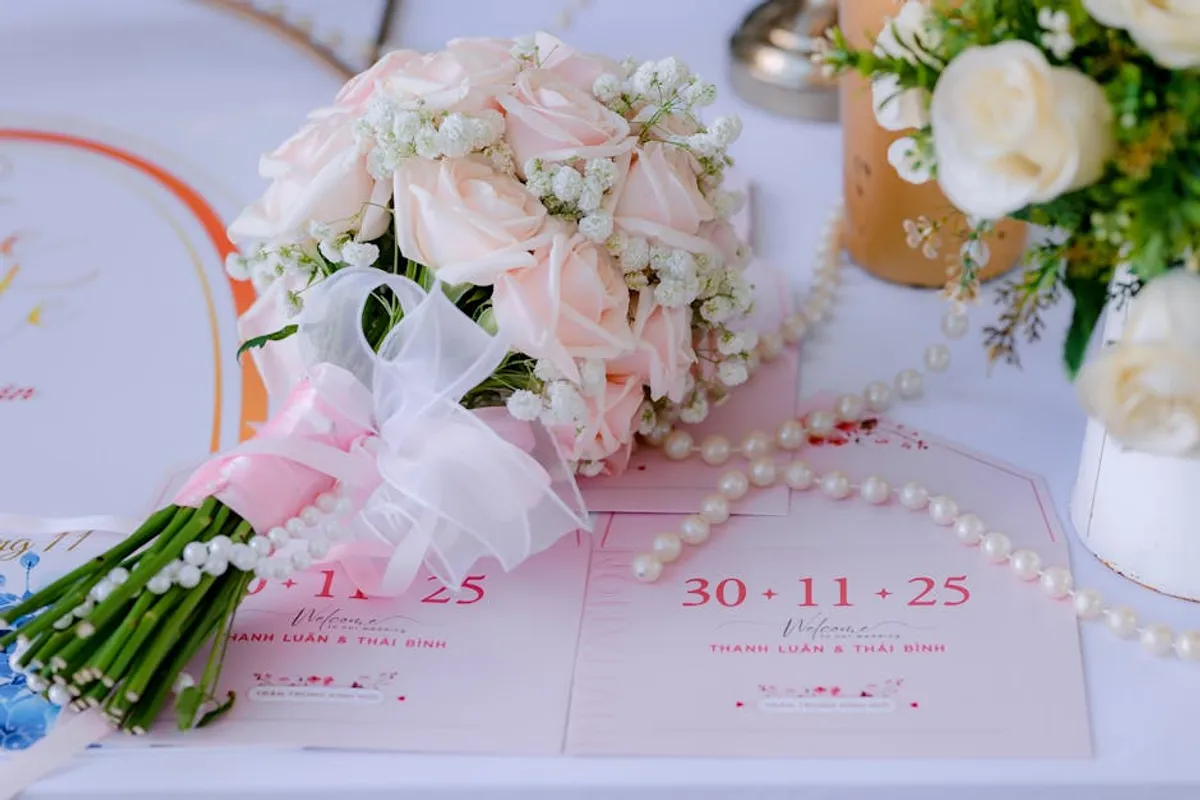
Sending wedding invitations marks a significant milestone in wedding planning. These invitations are more than just paper; they are the first tangible impression guests receive, setting the tone and providing essential details for your celebration. A meticulous review process before they leave your hands is critical. Overlooking a small detail can lead to widespread confusion, logistical headaches, or the expense of reprinting. This comprehensive checklist guides you through every crucial element, ensuring your invitations are accurate, elegant, and ready for dispatch, preventing common pitfalls and ensuring a smooth guest experience.
Initial Design and Content Review
The aesthetic and textual elements of your invitation suite are the first points of contact. Thoroughly examining these components ensures clarity and avoids miscommunication.
Proofreading for Accuracy
Errors in text can undermine the formality of your invitation and confuse guests. Beyond a simple spell check, focus on granular details:
- Names: Verify all names (couple, parents, officiant, bridal party if listed) are spelled correctly and use consistent capitalization.
- Dates and Times: Cross-reference the wedding date, time, and year with your confirmed venue contracts and personal calendars. Ensure AM/PM designations are clear.
- Addresses: Confirm venue addresses, RSVP return addresses, and any accommodation block addresses are complete and accurate, including zip codes.
- Grammar and Punctuation: Check for proper sentence structure, comma usage, and consistent punctuation throughout all invitation pieces.
- Consistency: Ensure the date format (e.g., "August 15, 2024" vs. "15th of August, 2024") and numerical representations are uniform across all cards.
Have at least three different individuals proofread the entire suite, including one person unfamiliar with the wedding details who can spot potential ambiguities. Reading the text aloud can also help catch awkward phrasing or missing words.
Confirming Design Consistency
The visual presentation should be cohesive across all elements of your invitation suite. Review these aspects:
- Font Usage: Verify that font styles, sizes, and colors are consistent across the main invitation, RSVP card, details card, and any other enclosures. Ensure legibility.
- Color Palette: Confirm that all printed colors match your approved proofs and align with your wedding theme. Note that colors can vary slightly between digital proofs and printed materials.
- Layout and Spacing: Check that text is properly aligned, centered, or justified as intended. Ensure adequate white space for readability and a polished appearance.
- Image Quality: If using any graphics or photos, confirm they are high-resolution and appear crisp, not pixelated or blurry.
Reviewing Wording and Tone
The language used should reflect your personal style and the formality of your event. Consider:
- Host Line: Ensure the names of those hosting the wedding (e.g., parents, couple) are correctly stated and in the desired order.
- Request Line: Confirm the phrasing (e.g., "request the honor of your presence," "invite you to celebrate") matches the formality of your event.
- Dress Code: If including a dress code, ensure it is clear and appropriately placed, typically on a details card or wedding website.
- Gift Information: If you are including registry information, ensure it is discreetly placed on a separate details card or your wedding website, not on the main invitation.
Pro Tip: Print a full, final sample of your entire invitation suite at home, even if it's on plain paper. This allows you to physically handle and review all components together, check for any misalignments when stacked, and identify any text that is difficult to read in physical form versus on a screen.
Logistical Details Verification
Beyond the primary invitation, ensuring all accompanying logistical information is accurate and easily accessible is paramount for guest planning.
Date, Time, and Venue Specifics
These are the core details guests need. Double-check:
- Ceremony and Reception Times: If these differ, ensure both are clearly stated, along with their respective locations.
- Full Addresses: Provide complete street addresses, city, state, and zip code for all event locations. Consider including specific room names if relevant (e.g., "Grand Ballroom").
- Map or Directions: If providing a physical map or directions card, confirm its accuracy and clarity. For digital directions, ensure QR codes or URLs are active.
RSVP Information Clarity
A well-structured RSVP process streamlines your guest count and planning.
- RSVP Deadline: Clearly state the response date, typically 3-4 weeks before the wedding, to allow time for catering and seating arrangements.
- Return Address: Ensure the RSVP card or envelope has the correct return address for responses.
- Postage on RSVP Envelopes: Crucially, affix a stamp to each RSVP return envelope. This encourages timely responses and is a thoughtful courtesy to guests.
- Meal Choices and Dietary Restrictions: If offering meal choices, ensure the options are clearly listed and space is provided for guests to indicate their selection and any dietary needs.
- Guest Count Confirmation: Provide a line for guests to indicate the number of attendees, especially if allowing plus-ones.
Website and Registry Details
If you've created a wedding website or registry, ensure guests can easily access this information.
- Correct URLs: Verify that the website address is typed accurately and that any QR codes link to the correct page.
- Active Links: Test the website URL on multiple devices to ensure it's live and functional.
- Registry Information: Confirm that any registry details provided (e.g., "For gift information, please visit our website") are clear and direct guests to the correct location.
Assembly and Presentation Checks
The physical presentation of your invitation suite impacts the overall guest experience. Ensure everything fits and looks polished.
Insert Card Coordination
If your suite includes multiple insert cards (e.g., directions, accommodations, reception details), confirm:
- All Inserts Present: Double-check that every necessary insert card is included in each invitation.
- Order and Alignment: Ensure cards are stacked in a logical order and are neatly aligned within the envelope.
- Content Match: Verify that the information on each insert card aligns with the main invitation and other cards.
Envelope Quality and Fit
The envelope is the first physical interaction guests have with your invitation.
- Correct Size: Ensure all invitation components fit comfortably without bending or excessive force.
- Material and Color: Confirm the envelopes match your chosen aesthetic and are of suitable quality.
- Inner and Outer Envelopes: If using both, ensure the inner envelope fits snugly within the outer, and both are addressed correctly.
Addressing and Postage Essentials
Accurate addressing and proper postage are non-negotiable for successful delivery.
Guest List Accuracy
Your guest list is the foundation for addressing. Review it against your final invitation list:
- Full Names and Titles: Use formal titles (Mr., Ms., Dr.) and full names for each guest.
- Accurate Addresses: Confirm street numbers, street names, apartment/suite numbers, cities, states, and zip codes are correct for every recipient. Cross-reference with a reliable source if possible.
- No Nicknames: Avoid informal names on the outer envelope unless specifically requested by guests.
Postage Calculation
Incorrect postage is a common reason for invitations being returned or delayed.
- Weigh a Complete Invitation: Take a fully assembled and stuffed invitation (including all inserts and the RSVP envelope with stamp) to the post office to have it weighed.
- Check Current Rates: Verify current postal rates for standard mail and any additional charges for oversized, square, or unusually shaped envelopes.
- Non-Machinable Surcharge: Be aware that square envelopes or those with bulky embellishments may incur a "non-machinable" surcharge.
- Hand-Canceling: For delicate invitations or those with raised elements, inquire about hand-canceling stamps to prevent damage from automated sorting machines.
Ensuring a Smooth Send-Off
Once all checks are complete, organize your invitations for dispatch and consider the timing.
- Organize by Postage: Separate invitations requiring different postage amounts (e.g., international, non-machinable).
- Confirm Mailing Date: Aim to mail invitations 6-8 weeks before the wedding date for local guests, and 8-12 weeks for out-of-town or international guests. This allows ample time for delivery and RSVP.
- Keep a Master List: Maintain a digital or physical copy of your final guest list with addresses and a tracking system for sent invitations and received RSVPs.
Frequently Asked Questions
What is the ideal timeline for mailing wedding invitations?
For most weddings, mail invitations 6-8 weeks before the wedding date. For destination weddings or if many guests are traveling internationally, extend this to 8-12 weeks to allow for travel arrangements and accommodations.
Should I put stamps on the RSVP return envelopes?
Yes, it is considered proper etiquette and a courtesy to your guests to affix postage to the RSVP return envelopes. This encourages timely responses and simplifies the process for your guests.
How many people should proofread my wedding invitations?
Ideally, at least three different individuals should proofread your wedding invitations. This should include yourself, your partner, and at least one person unfamiliar with the wedding details who can spot errors or ambiguities you might overlook.
What if my invitation is a non-standard size or shape?
Non-standard sizes, square envelopes, or invitations with bulky embellishments often require additional postage and may be subject to a "non-machinable" surcharge. Always take a fully assembled sample to the post office to have it weighed and measured for accurate postage calculation.