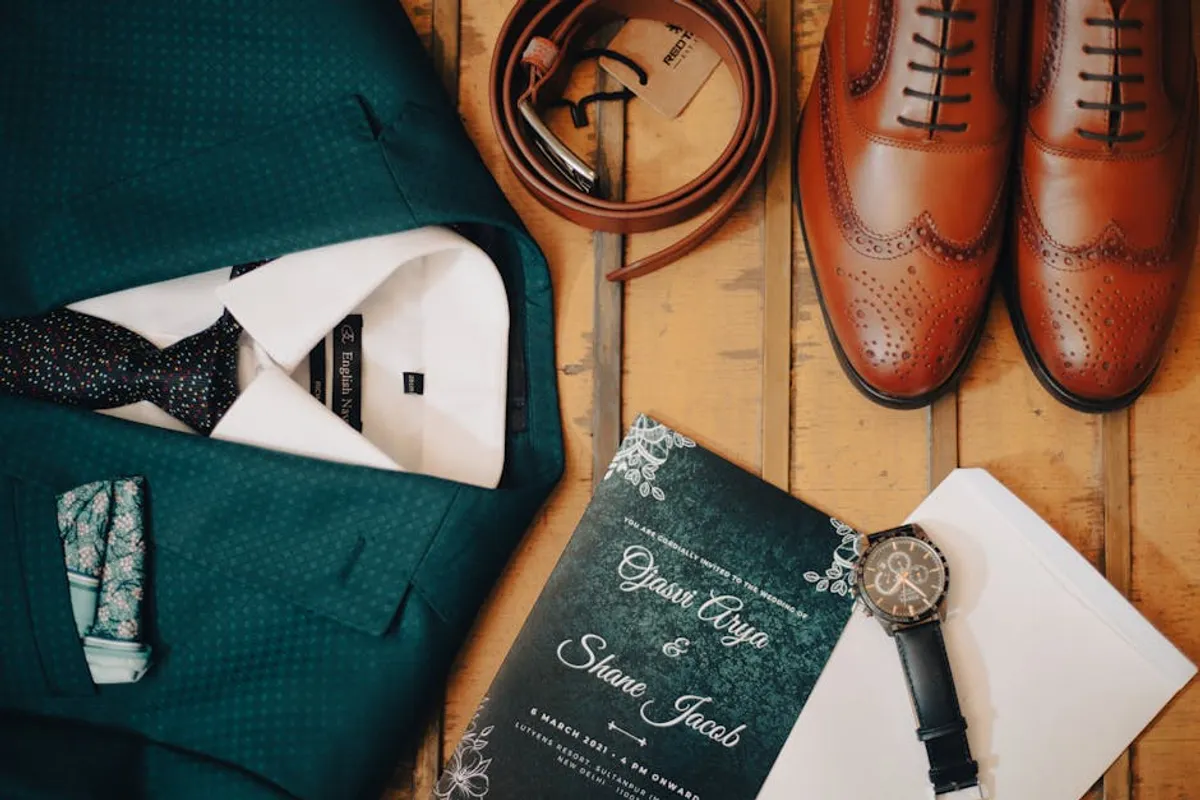
Wedding invitations serve as the initial introduction to a couple's special day, communicating not only logistical details but also setting the aesthetic tone and overall mood of the event. The design choices made for these invitations are critical in conveying the unique personality of the couple and the style of their celebration, from formal black-tie affairs to casual backyard gatherings. Selecting the right design requires considering various elements that combine to form a cohesive and impactful first impression.
Essential Design Components for Wedding Invitations
Before exploring specific styles, understanding the fundamental components that shape an invitation's appearance and feel is crucial. Each element contributes to the overall message and perceived quality.
- Color Palettes: Colors establish the mood. Muted pastels suggest romance and softness, while bold jewel tones convey opulence and drama. A monochromatic scheme can achieve modern sophistication, whereas a vibrant multi-color palette signals a festive, playful event. The chosen palette should ideally align with the wedding's decor and floral arrangements.
- Typography: Font selection is a powerful tool for conveying style. Elegant script fonts often indicate formality and tradition. Clean, sans-serif fonts lend themselves to modern or minimalist aesthetics. Hand-lettered or illustrative fonts can suggest a whimsical or custom-designed event. The interplay of two or three complementary fonts (one for headings, one for body text, one for accents) creates visual hierarchy and interest.
- Paper Stock and Texture: The tactile experience of an invitation significantly influences its perceived value. Heavy cardstock (100lb cover weight or higher) communicates luxury and durability. Textured papers, such as cotton, linen, or vellum, add depth and sensory appeal. Recycled or kraft paper stocks align with rustic or eco-conscious themes. The finish—matte, glossy, or pearlized—also impacts how colors appear and how light reflects off the invitation.
- Printing Methods and Embellishments: The method of printing adds another layer of design.
- Digital Printing: Cost-effective for vibrant colors and photographic elements.
- Letterpress: Creates a debossed impression, offering a classic, tactile, and luxurious feel.
- Foil Stamping: Applies metallic or colored foil to text or designs, adding shimmer and elegance.
- Engraving: Produces a raised, sharp image, traditionally associated with formal invitations.
- Embossing/Debossing: Creates raised or recessed designs without ink, adding subtle texture.
Additional embellishments like wax seals, custom envelope liners, ribbons, or belly bands can elevate the presentation, tying the suite together.
- Layout and Composition: The arrangement of text and graphics on the page guides the reader's eye and reinforces the design theme. Symmetrical layouts often convey tradition and formality, while asymmetrical designs can feel more contemporary and dynamic. Ample white space contributes to a clean, sophisticated look, preventing the invitation from appearing cluttered.
Popular Wedding Invitation Design Styles with Examples
Couples often gravitate towards established design styles that resonate with their personal taste and wedding vision. Each style offers distinct visual cues and opportunities for personalization.
Classic and Traditional Invitations
Best for: Formal weddings, grand venues, timeless aesthetics.
These invitations often feature engraved or letterpress printing on heavy, cream or white cardstock. Typography leans towards elegant script fonts for names and formal serif fonts for body text. Common design elements include intricate borders, monograms, and a reserved use of color, typically black or metallic ink. The overall impression is one of refined elegance and formality, signaling a sophisticated event.
Modern and Minimalist Invitations
Best for: Contemporary events, urban settings, couples who appreciate clean lines.
Characterized by simplicity and ample white space, minimalist invitations prioritize clarity and impact. They frequently use sans-serif fonts or a combination of clean serif and sans-serif typefaces. Color palettes are often monochromatic or feature subtle, muted tones. Designs are typically geometric, abstract, or text-focused, avoiding excessive ornamentation. The emphasis is on precise execution and thoughtful composition.
Rustic and Bohemian Invitations
Best for: Outdoor weddings, barn venues, nature-inspired themes.
Drawing inspiration from natural elements, rustic invitations often incorporate earthy color palettes, botanical illustrations, and organic textures. Kraft paper, recycled stocks, or woodgrain accents are common. Typography might include hand-drawn fonts, casual scripts, or distressed typefaces. Elements like twine, dried flowers, or watercolor illustrations of foliage contribute to a warm, unpretentious feel.
Whimsical and Playful Invitations
Best for: Unique, personality-driven weddings, less formal celebrations.
These designs embrace creativity and often feature custom illustrations, vibrant color combinations, and unconventional layouts. Think custom caricatures of the couple, playful motifs related to their hobbies, or bold, illustrative fonts. The tone is lighthearted and fun, promising a celebration full of joy and individuality. This style allows for significant personalization, reflecting the couple's specific story.
Elegant and Glamorous Invitations
Best for: Luxury weddings, ballroom venues, high-end celebrations.
Glamorous invitations exude luxury through the use of metallic foils (gold, silver, rose gold), glitter accents, and intricate laser-cut details. Rich jewel tones, deep blues, or classic black and white palettes are common. Materials often include acrylic, velvet, or shimmer paper. Typography is typically ornate, with dramatic script fonts and sophisticated serif pairings, creating an opulent and sophisticated aesthetic.
Pro Tip: When considering custom design elements like illustrations or specific color matches, always request a physical sample or proof. Digital representations can sometimes misrepresent the final print quality, color accuracy, or texture, especially with specialized printing techniques like letterpress or foil stamping. A physical proof allows for precise adjustments before a full production run, mitigating potential discrepancies.
Beyond the Main Invitation: The Full Suite
A comprehensive wedding invitation suite extends beyond the primary card, providing guests with all necessary information in a coordinated presentation. These supplementary pieces reinforce the chosen design theme.
- RSVP Cards: Essential for guest count management, these cards include a response deadline and meal choice options. They often come with a pre-addressed, stamped envelope for convenience.
- Enclosure Cards: These provide additional details such as accommodation options, directions to the venue, a link to the wedding website, or information on attire. They maintain the design continuity of the main invitation.
- Save-the-Dates: Sent well in advance, these cards announce the wedding date and location, allowing guests to plan. They often offer a preview of the main invitation's style.
- Thank You Cards: Sent after the wedding, these cards express gratitude to guests and gift-givers. They should ideally match the overall aesthetic of the wedding stationery for a cohesive brand experience.
Selecting Your Invitation Design
The process of choosing an invitation design involves balancing aesthetic preferences with practical considerations. Start by defining your wedding's overall theme and formality. Consider your budget, as custom designs and specialized printing methods can significantly impact costs. Allow ample time for design, proofing, and printing—typically 3-6 months before the send date. Finally, ensure the chosen design accurately reflects your personality as a couple, as this personal touch makes the invitation truly memorable.
Finalizing Your Invitation Order
Once your design is complete and approved, several crucial steps remain before mailing. Carefully proofread every detail—names, dates, times, locations, and spellings—multiple times, ideally with a fresh pair of eyes. Confirm the final quantity needed, accounting for keepsakes and any last-minute additions. Verify postage requirements, especially for uniquely shaped or heavier invitations, to avoid returns. Finally, establish a clear system for tracking RSVPs to manage your guest list effectively.
Frequently Asked Questions About Wedding Invitations
How far in advance should wedding invitations be mailed?
For local weddings, mail invitations 6-8 weeks before the wedding date. For destination weddings or events with many out-of-town guests, send them 3-4 months in advance to allow for travel arrangements.
What information should always be included on a wedding invitation?
Essential information includes the names of the couple, the date and time of the ceremony, the ceremony location, and the reception location (if different). RSVP details and a wedding website link are also standard inclusions.
Is it necessary to order extra invitations?
Yes, it is highly recommended to order 10-15% more invitations than your final guest count. These extras account for last-minute additions to the guest list, addressing errors, or keepsakes.
What is the difference between digital printing and letterpress?
Digital printing is a flat printing method that applies ink directly to the paper, offering a wide range of colors and photographic capabilities. Letterpress is a relief printing technique where a plate presses ink into the paper, creating a tactile, debossed impression that is often associated with a handcrafted, luxurious feel.