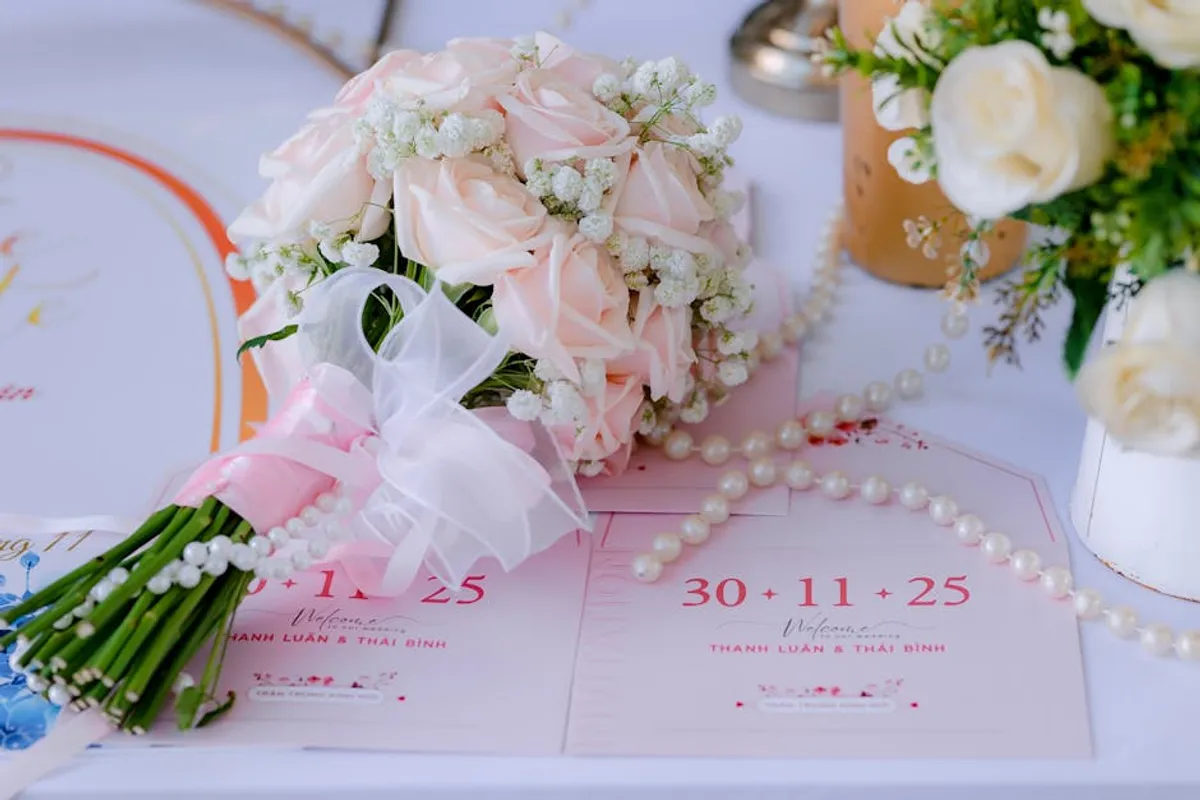
Crafting wedding invitation wording as a host extends beyond merely conveying logistics; it establishes the event's tone, communicates the couple's values, and respectfully guides guests. The choice of wording reflects the hosts' relationship to the couple, their financial contribution, and the overall formality of the celebration. For parents hosting, traditional phrasing often signals a classic, formal affair, while a couple hosting their own wedding might opt for more contemporary, personal language. The critical decision lies in balancing tradition with personal expression, ensuring all essential details are clear, and setting an appropriate expectation for the guests.
Key Considerations for Hosts
Before drafting any invitation, hosts should establish several foundational elements to ensure the wording accurately reflects the event and their role. These decisions directly influence the formality, tone, and specific phrasing required.
- Hosting Structure: Clarify who is officially hosting the wedding. This could be the bride’s parents, both sets of parents, the couple themselves, or a combination. The host names appear prominently at the top of the invitation.
- Formality Level: Determine if the wedding is black-tie, formal, semi-formal, cocktail attire, or casual. The invitation wording, from vocabulary to sentence structure, should align with this dress code and overall event style.
- Religious vs. Secular: For religious ceremonies, specific invocations or traditional phrases may be appropriate. Secular weddings often opt for more inclusive language, focusing on the celebration of love rather than religious rites.
- Essential Information: Beyond the names, date, time, and location, consider what other information guests need. This includes reception details, RSVP instructions, dress code, and potentially a wedding website address for additional context.
- Tone and Voice: Decide on the desired emotional resonance. Is it joyous and celebratory, elegant and understated, or warm and intimate? The chosen wording should consistently convey this tone.
1. Classic Formal: Bride's Parents Hosting
This traditional wording style is often chosen when the bride's parents are primarily responsible for hosting the wedding. It conveys a sense of established elegance and adheres to long-standing etiquette. The language is typically formal and uses third-person phrasing, emphasizing the parents' role in "requesting the honor of your presence" at their daughter's marriage. This approach signals a deeply traditional ceremony and reception.
Best for: Highly formal, traditional weddings where the bride's parents are the primary hosts and wish to uphold classic etiquette. It suits grand venues and structured events.
Pros:
- Clearly establishes traditional hosting roles.
- Conveys a high degree of formality and elegance.
- Widely understood and respected by guests familiar with wedding etiquette.
- Provides a clear, unambiguous structure for all necessary details.
Cons:
- Can feel impersonal or dated for couples seeking a more modern or casual tone.
- May not accurately reflect shared hosting responsibilities if other parties are contributing.
- Less flexible for incorporating personal touches or informal language.
Verdict: Ideal for couples and hosts committed to a classic, formal wedding experience, this wording ensures clarity and adherence to time-honored traditions, projecting an image of refined sophistication.
2. Classic Formal: Both Sets of Parents Hosting
When both the bride's and groom's parents are sharing the hosting duties, this wording gracefully acknowledges all parties involved. It maintains a formal tone but expands the hosting line to include both families, symbolizing their joint celebration of the union. This style is a respectful way to honor the contributions and wishes of both families while preserving a traditional aesthetic.
Best for: Formal weddings where both sets of parents are contributing significantly and wish to be recognized as joint hosts. It bridges families respectfully.
Pros:
- Honors both families' contributions and roles in the celebration.
- Maintains a formal and elegant tone, suitable for traditional events.
- Promotes a sense of unity between the two families from the outset.
- Clear and polite, avoiding any ambiguity about who is hosting.
Cons:
- Can make the invitation text longer and potentially more crowded.
- Still leans heavily traditional, which might not align with a modern couple's vision.
- Requires careful ordering of names to respect family traditions or social standing.
Verdict: An excellent choice for formal weddings where both families are actively involved, this wording respectfully acknowledges all hosts while maintaining a dignified and traditional presentation.
3. Modern Formal: Couple Hosting
This wording style is chosen when the couple themselves are the primary hosts, regardless of whether parents are contributing financially. It reflects a shift towards couples taking ownership of their wedding planning and presentation. While still formal in language, it often uses first-person plural ("we") or subtly rephrases the request for presence to come directly from the couple, signaling a contemporary approach to tradition.
Best for: Formal or semi-formal weddings where the couple is self-hosting or wishes to present themselves as the primary hosts. It suits couples who value independence and modern etiquette.
Pros:
- Empowers the couple as the primary hosts, reflecting modern trends.
- Allows for a formal tone without relying on parental hosting conventions.
- Can be more direct and personal while maintaining elegance.
- Flexible enough to mention parents in a supportive role if desired, without making them hosts.
Cons:
- May be perceived as less traditional by some guests or family members.
- Requires careful phrasing to avoid sounding overly casual if a formal event is intended.
- If parents are contributing significantly, this wording might require a separate acknowledgment elsewhere.
Verdict: This style is perfect for modern couples who desire a formal wedding but prefer to position themselves as the hosts, offering a blend of contemporary independence and classic elegance.
4. Modern Formal: Couple and Parents Hosting
This hybrid approach acknowledges the couple's primary role while respectfully including their parents as co-hosts or supportive figures. It's often used when the couple is heavily involved in planning and contributing, but parents are also providing significant support or financial contributions. The wording typically lists the parents first, then states that they, "together with their children," are inviting guests, or simply lists all names as hosts.
Best for: Formal or semi-formal weddings where both the couple and their parents are actively involved in hosting and wish to be recognized equally. It balances tradition with modern partnership.
Pros:
- Respectfully includes all contributing parties as hosts.
- Reflects a collaborative hosting effort between the couple and their parents.
- Maintains a formal tone while acknowledging the couple's agency.
- Offers a diplomatic solution for shared responsibilities and contributions.
Cons:
- The hosting line can become quite long, potentially impacting design.
- Requires careful consideration of name order and phrasing to ensure all parties feel equally represented.
- Can sometimes be less concise than simpler hosting lines.
Verdict: An excellent compromise for formal weddings with shared hosting, this wording style ensures all key contributors are recognized, fostering a sense of unity and shared celebration.
5. Casual & Contemporary: Couple Hosting
Moving away from strict formality, this wording is chosen when the couple desires a relaxed, personal, and modern invitation. It typically uses warm, inviting language, often in the first person ("we invite you") and focuses on celebrating their love rather than adhering to rigid etiquette. This style allows for more creative expression and can set a joyful, laid-back tone for the event.
Best for: Casual, semi-casual, or highly personalized weddings where the couple is self-hosting and wants a relaxed, inviting atmosphere. It suits backyard weddings, bohemian themes, or intimate gatherings.
Pros:
- Allows for significant personalization and creative expression.
- Sets a warm, inviting, and relaxed tone immediately.
- Reflects the couple's personality and modern sensibilities.
- Often shorter and more direct, making it easy to read.
Cons:
- May be perceived as too informal for guests expecting a more traditional event.
- Could potentially confuse guests about the expected dress code or formality.
- Less suitable for very formal venues or ceremonies.
Verdict: Ideal for couples prioritizing personality and a relaxed atmosphere, this wording style offers freedom from traditional constraints, setting a genuinely personal and inviting tone.
6. Casual & Contemporary: Couple and Parents Hosting
This style combines the personal touch of a casual invitation with the acknowledgment of parental support. It's suitable for semi-casual or contemporary weddings where parents are involved but the overall tone is less formal. The wording might state that the parents "joyfully invite you to celebrate with" the couple, or simply list all names as hosts in a friendly, approachable manner. It balances respect for family with a modern, relaxed vibe.
Best for: Semi-casual or contemporary weddings where parents are involved in hosting but the overall event aims for a relaxed, joyful atmosphere. It's a diplomatic way to include family in a modern context.
Pros:
- Respectfully includes parents in a less formal capacity.
- Maintains a warm, inviting, and personal tone.
- Offers a balance between family acknowledgment and modern informality.
- Flexible enough to adapt to various levels of parental involvement.
Cons:
- Requires careful phrasing to ensure the tone remains consistently casual and inclusive.
- Still needs to convey essential information clearly without sacrificing brevity.
- Could potentially be misinterpreted if the formality level isn't clearly indicated elsewhere.
Verdict: This wording is effective for contemporary weddings with parental involvement, allowing for a friendly, inclusive invitation that accurately reflects a relaxed yet significant celebration.
7. Destination Wedding Invitation
Destination wedding invitations require specific wording to manage guest expectations and provide crucial travel-related information. Beyond the standard details, these invitations often include phrases that acknowledge the travel commitment, direct guests to a wedding website for accommodations and activities, and sometimes suggest a more relaxed dress code. The tone can vary from formal to casual, but clarity about the location and logistics is paramount.
Best for: Weddings held away from the couple's or guests' hometowns, requiring travel and specific logistical guidance. It's essential for managing guest expectations and providing necessary details.
Pros:
- Clearly communicates the unique nature of a destination wedding.
- Directs guests to a central resource for travel and accommodation details.
- Manages expectations regarding guest attendance and travel commitments.
- Can be adapted to various formality levels, from casual beach weddings to formal château affairs.
Cons:
- Requires more detailed information, potentially making the invitation longer.
- Must be sent out earlier than traditional invitations to allow for travel planning.
- Risk of information overload if not carefully designed and worded.
Verdict: Crucial for destination weddings, this wording prioritizes clear communication of travel logistics and sets appropriate expectations, ensuring guests are well-informed for their journey.
8. Elopement Announcement with Reception
When a couple chooses to elope or have a private ceremony but still wishes to celebrate with friends and family, this wording style is used for a subsequent reception invitation. It typically announces the marriage that has already taken place and then invites guests to a celebratory gathering. The tone is often joyful and informal, focusing on the celebration rather than the ceremony itself.
Best for: Couples who have already married privately (eloped) and are now inviting guests to a post-wedding celebration, such as a reception or party. It focuses on shared joy.
Pros:
- Respectfully informs guests of the marriage while inviting them to celebrate.
- Allows couples to have an intimate ceremony without foregoing a larger celebration.
- Often carries a joyful, relaxed, and celebratory tone.
- Avoids the pressure of coordinating a full wedding ceremony with all guests.
Cons:
- Some traditional guests might feel excluded from the actual ceremony.
- Requires careful phrasing to avoid sounding like an afterthought.
- The focus shifts entirely to the reception, which might not appeal to all couples.
Verdict: This wording is effective for couples celebrating their marriage after a private ceremony, offering a warm invitation to share their joy without the formalities of a traditional wedding.
9. Second Marriage / Older Couple Wording
For couples marrying for a second time or those who are older, the invitation wording often reflects a more mature, understated elegance. It typically omits the traditional "give away" phrasing and focuses on the couple themselves inviting guests to witness their union. Children from previous marriages can be included as hosts or acknowledged in a supportive role, emphasizing the blending of families. The tone is usually refined and sincere.
Best for: Couples marrying for a second time, older couples, or those with children from previous relationships who wish to acknowledge the blending of families. It emphasizes maturity and sincerity.
Pros:
- Respectfully addresses the unique circumstances of a second marriage or older couple.
- Allows for the inclusion of children in a meaningful way, if desired.
- Often conveys a tone of mature love, sincerity, and understated elegance.
- Avoids potentially awkward traditional phrasing that may not apply.
Cons:
- Requires careful consideration to ensure all family dynamics are handled sensitively.
- May necessitate a slightly longer hosting line if children are included.
- Could be less familiar to guests accustomed to first marriage invitations.
Verdict: This wording style offers a dignified and inclusive approach for second marriages or older couples, allowing them to celebrate their union authentically while acknowledging their unique family structures.
10. Religious Ceremony Specific Wording
When a wedding includes specific religious rites or takes place within a house of worship, the invitation wording often incorporates religious phrasing. This can include an invocation (e.g., "with God's grace," "in the sight of God") or direct references to the sacred nature of the ceremony. The language is typically formal and reverent, reflecting the spiritual significance of the event for the couple and their families.
Best for: Weddings with a strong religious component, held in a church, synagogue, mosque, or other house of worship, where the couple wishes to emphasize the spiritual aspect of their union. It signals reverence.
Pros:
- Clearly communicates the religious nature of the ceremony.
- Resonates deeply with guests who share the same faith.
- Adds a layer of spiritual significance and reverence to the invitation.
- Adheres to traditional religious customs and expectations.
Cons:
- May feel exclusionary to guests of different faiths or no faith.
- Less flexible for couples seeking a purely secular or interfaith celebration.
- Requires careful selection of specific religious phrases to ensure accuracy and respect.
Verdict: Essential for religious ceremonies, this wording style respectfully conveys the spiritual foundation of the union, setting a reverent tone that aligns with the couple's faith and traditions.
11. Secular & Inclusive Wording
For couples who prefer to focus on the celebration of love and partnership without religious references, secular wording is appropriate. This style avoids invocations or religious phrases, opting instead for universal language that emphasizes commitment, joy, and the coming together of two individuals. It is inherently inclusive, welcoming guests from all backgrounds to celebrate the couple's union in a non-denominational context.
Best for: Couples who prefer a non-religious ceremony, interfaith couples, or those who want their invitation to be universally inclusive. It focuses on love, partnership, and celebration.
Pros:
- Universally inclusive, welcoming guests of all faiths and backgrounds.
- Focuses on the couple's love and commitment rather than religious doctrine.
- Allows for a broad range of personal expression without traditional constraints.
- Suitable for civil ceremonies or non-religious venues.
Cons:
- May not resonate with deeply religious families or guests expecting traditional phrasing.
- Could be perceived as less "sacred" by some who associate marriage with religious rites.
- Requires careful crafting to convey depth and significance without religious language.
Verdict: This inclusive wording is perfect for couples prioritizing universal welcome and a focus on their personal commitment, ensuring all guests feel comfortable and celebrated.
12. Adults-Only Reception Wording
Communicating an adults-only reception can be delicate, but clear and polite wording on the invitation is crucial. This style typically uses a concise phrase on the invitation or a separate enclosure card to indicate that the reception is reserved for guests aged 18 or 21 and over. The goal is to be unambiguous without being offensive, often relying on the implication that arrangements cannot accommodate children.
Best for: Receptions where the hosts prefer an adults-only atmosphere due to venue constraints, budget, or the nature of the event. It requires clear, polite communication.
Pros:
- Clearly communicates guest restrictions, preventing misunderstandings.
- Helps hosts manage headcount and adhere to venue capacity limits.
- Contributes to the desired atmosphere for the reception (e.g., formal, sophisticated).
- Allows parents of young children to make appropriate childcare arrangements in advance.
Cons:
- Can be a sensitive topic and potentially cause offense if not phrased delicately.
- May lead to some guests declining if childcare is an issue.
- Requires careful placement (e.g., on a separate card or wedding website) to avoid cluttering the main invitation.
Verdict: Essential for establishing an adults-only event, this wording requires tact and clarity to ensure guests understand the invitation's scope without feeling excluded or offended.
13. Requesting Presence Instead of Gifts Wording
Many couples prefer to emphasize the presence of their loved ones over material gifts. This wording style subtly communicates that gifts are not expected or that contributions to a honeymoon fund or charity are preferred. It typically uses a brief, gracious phrase on a separate enclosure card or the wedding website, avoiding direct mention on the main invitation itself. The tone is appreciative and humble.
Best for: Couples who genuinely prefer not to receive physical gifts, or who wish to direct guests towards alternative contributions like a honeymoon fund or charitable donation. It conveys humility and appreciation.
Pros:
- Relieves guests of the pressure to purchase a physical gift.
- Allows couples to articulate preferences for honeymoon funds or charitable donations.
- Conveys a humble and appreciative tone, prioritizing guest presence.
- Can prevent unwanted or duplicate gifts.
Cons:
- Some guests may still feel compelled to bring a gift regardless.
- Requires delicate phrasing to avoid sounding demanding or ungrateful.
- Best placed on a separate card or wedding website, adding to the overall communication suite.
Verdict: This wording gracefully guides guests on gift expectations, allowing couples to express their preferences while prioritizing the joy of their loved ones' attendance.
14. Small, Intimate Ceremony Wording
For couples planning a very small, intimate ceremony with only immediate family or a select few guests, specific wording is needed to clearly differentiate this from a larger reception. The invitation for the ceremony will specify the limited guest list, while a separate announcement or reception invitation can be sent to a wider circle. The tone is often personal and heartfelt, emphasizing the special nature of the private gathering.
Best for: Couples hosting a very small, private ceremony with a limited guest list, often followed by a larger reception or celebration. It manages expectations for exclusivity.
Pros:
- Clearly communicates the intimate nature of the ceremony.
- Manages guest expectations regarding who is invited to which part of the day.
- Allows for a deeply personal and meaningful ceremony without a large audience.
- Can be followed by a separate, broader reception invitation for wider celebration.
Cons:
- Requires careful coordination of invitations if a larger reception follows.
- Some guests who are not invited to the ceremony may feel excluded.
- The wording must be very specific to avoid confusion about attendance.
Verdict: Crucial for intimate ceremonies, this wording effectively communicates the exclusivity of the event, allowing couples to celebrate privately while managing expectations for subsequent celebrations.
Ensuring Clarity and Tone
Once a wording style is chosen, the focus shifts to meticulous execution. The clarity of information and consistency of tone are paramount for a successful invitation. Every detail, from the time of day to the RSVP deadline, must be unambiguous. Hosts should proofread all elements multiple