The dinner party that feels effortless is, almost without exception, the result of three days of unglamorous preparation. Below is the planning sequence I use — and that the people who throw genuinely good dinners across my circle use, in some form. The aim is a host who can actually sit at their own table.
Three days before — set the guest list and the menu shape
The menu and the guest list together. A meal that is right for one of these groups can be wrong for the other. Decide first: how many, and what is the rough flavour and formality. "Eight people, casual Italian" carries you through every later decision.
Two days before — shop and prep what can be prepped
Anything that holds well — sauces, marinades, dressings, anything braised — should be made now. The rule of thumb: anything you can do two days early without quality loss should be done two days early. The host's day-of stress is the enemy of a good party.
One day before — clean, set, and shape the room
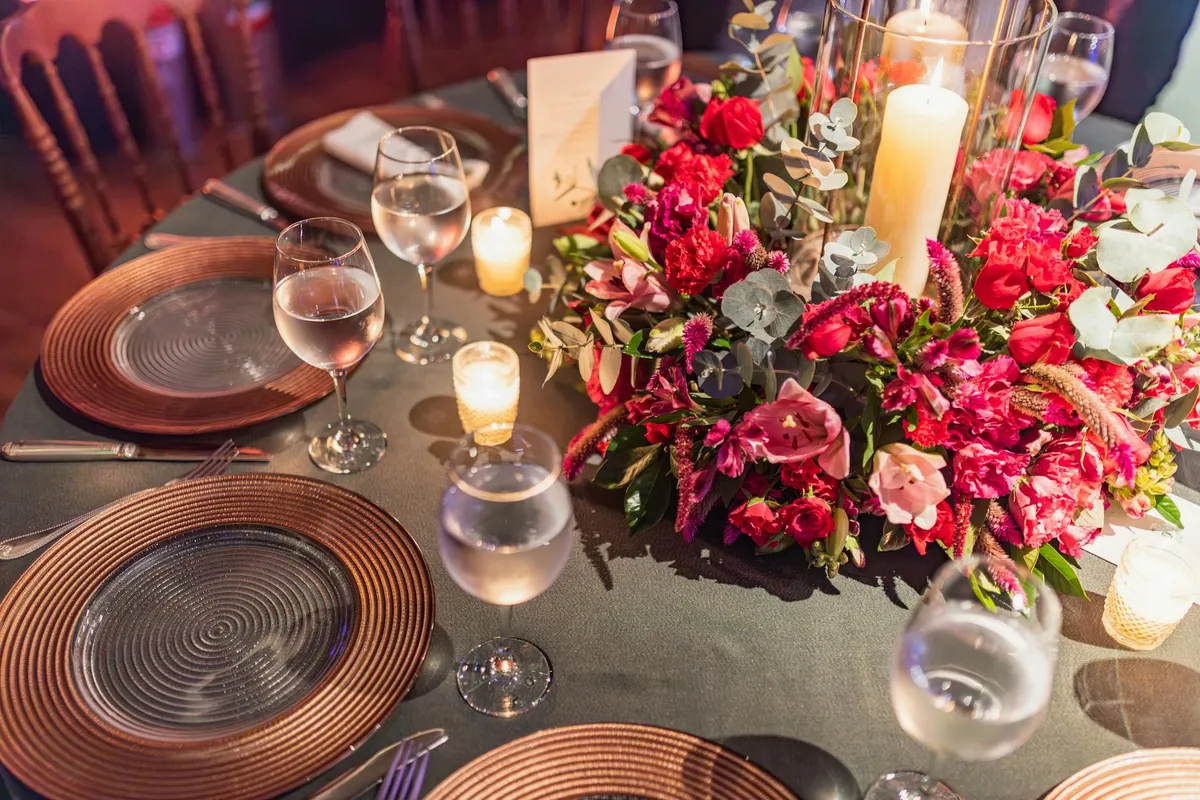
Clean the bathroom. Set the table — yes, the night before. Decide where everyone will sit. Light the candles you will light tomorrow, just to check they fit the holders. Lay out serving dishes with sticky notes naming what goes in each.
Day of, morning — the slow build
Walk through the evening in order in your head. Arrival, drinks, sit-down, first course, main, pause, dessert, lingering, end. For each, what needs to be true 30 seconds before it happens? A great dinner is hosted backwards from each transition.
Day of, two hours before — controlled chaos
This is when most parties go sideways. The host is rushing, the kitchen is hot, the bathroom needs a wipe. The fix: a written list, in order, taped to a cabinet. Cross items off. Resist the urge to add to the menu now.
Thirty minutes before — change clothes and pour yourself a drink
Both literal and emblematic. The host who is dressed and holding a glass when the first guest arrives is the host who has crossed over from preparing to enjoying. The host still in apron at the door has not.
The first hour — drinks and slow arrivals
Plan for the kitchen to be done. Drinks, simple snacks (olives, almonds, something to dip in), low music, and the host actually sitting down. Guests arrive at slightly different times; this opening hour is the connective tissue of the evening.
The meal itself — pacing and pauses
The mistake at most dinners is rushing courses. The mistake at very good dinners is the opposite — letting moments breathe. Between the main and the dessert, plan a pause: clear the table together, refill drinks, let conversations reach their second wind.
The end — let it end
A dinner party should end naturally. Refill no one's drink after a certain hour. Bring out water. The good dinner is one guests leave wishing they could have stayed; the long dinner is one they wish they had left an hour ago.
The next morning — write down what worked
What dish landed best, what conversation was sticky, what you would do differently. It takes five minutes. Two years of doing this turns a person into a host whose dinners people remember.