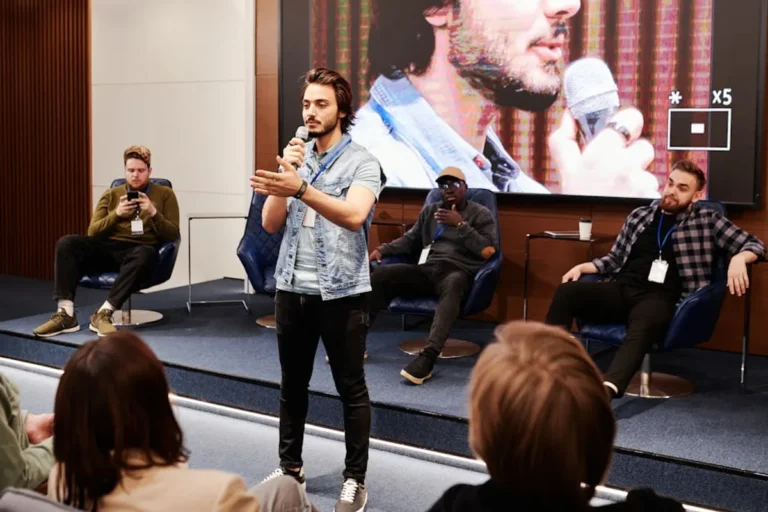
Creating a photo story from an event transcends simply publishing a gallery of images. For marketers, publishers, and site owners, it represents a strategic opportunity to transform transient experiences into evergreen content assets that drive engagement, reinforce brand narratives, and offer tangible SEO benefits. A well-constructed photo story captures the essence and impact of an event, providing a compelling visual journey that resonates with an audience long after the moment has passed. This approach moves beyond mere documentation, focusing instead on narrative arc, emotional connection, and structured presentation to maximize content value and reach.
Strategic Pre-Event Planning for Narrative Capture
The foundation of an impactful photo story is laid well before the event begins. Strategic planning ensures that photographic efforts align with content objectives, yielding visuals that contribute directly to a cohesive narrative.
Defining Objectives and Audience
Before any camera is unboxed, clarify the purpose of the photo story. Is it to showcase a product launch, highlight community involvement, or document a conference? Your objectives dictate the visual focus. Simultaneously, identify your target audience. A B2B event story will emphasize different elements and require a distinct tone compared to a consumer-facing product launch. Understanding these parameters guides shot selection and subsequent storytelling decisions.
Developing a Focused Shot List
A detailed shot list acts as your visual script. It moves beyond generic requests for "event photos" to specifying key moments, individuals, and details that advance your narrative. This might include:
- Establishing shots of the venue and branding.
- Keynote speakers or presenters in action.
- Audience interaction and engagement.
- Product demonstrations or unique event features.
- Behind-the-scenes glimpses or candid moments.
- Emotional reactions and human connections.
- Specific brand elements or sponsor logos.
Prioritize shots that convey emotion, progression, or critical information, ensuring a balanced visual representation that avoids repetition and maintains audience interest.
Securing Permissions and Releases
For any event involving identifiable individuals, especially children or public figures, obtaining photo releases is crucial. This protects your organization from legal issues and ensures ethical content creation. For larger events, clear signage about photography and videography can serve as a general notice, but direct consent is always preferable for prominent subjects.
Capturing the Narrative: Event Photography Techniques
During the event, the focus shifts to executing the shot list while remaining adaptable to spontaneous moments that enhance the story.
Focusing on Key Moments and Interactions
Beyond static shots, prioritize capturing moments of interaction, collaboration, and genuine emotion. A photo of a speaker engaging with an audience member, or attendees collaborating on an activity, tells a more compelling story than a simple headshot. These images provide context and depth, making the narrative more relatable and impactful.
Varying Perspectives and Framing
Avoid a monotonous sequence of eye-level, mid-range shots. Incorporate wide-angle views to establish scale, medium shots for group interactions, and tight close-ups to highlight details or emotions. Experiment with different angles—low, high, or from unique vantage points—to add visual interest and dynamic flow to your story. This variety keeps the viewer engaged and provides a richer visual experience.
Pro Tip: When capturing an event, prioritize consistency in lighting and color temperature if possible. While post-processing can correct many issues, starting with well-exposed and color-balanced images reduces editing time and ensures a more cohesive final photo story, crucial for maintaining a professional brand image across all visual assets.
Curating and Selecting Your Story's Visuals
Post-event, the curation process is where the raw footage transforms into a polished narrative. This involves rigorous selection and careful editing.
Initial Culling for Technical Quality
Begin by eliminating technically flawed images: out-of-focus shots, severe over/under-exposure, unflattering expressions, or accidental captures. This initial pass streamlines the subsequent storytelling selection process, leaving only viable candidates.
Story-Driven Selection and Sequence
With technically sound images, shift focus to narrative relevance. Select photos that collectively tell a story, moving from an opening scene to a resolution. Consider the emotional arc, key messages, and the progression of the event. Aim for a manageable number of photos that can be digested without overwhelming the viewer—typically 15-30 images for a comprehensive event story, depending on the event's scale and complexity.
Image Editing for Cohesion and Enhancement
All selected images should undergo consistent editing. This includes color correction, exposure adjustments, cropping for composition, and minor retouching. The goal is to enhance the visual appeal while maintaining a uniform look and feel across the entire set, reinforcing brand identity and professionalism. Avoid heavy filters or overly dramatic edits that might distract from the content.
Crafting the Narrative: Sequencing and Storytelling
The arrangement of your chosen photographs dictates the flow and impact of your story.
Establishing a Narrative Arc
Structure your photo story with a clear beginning, middle, and end. Start with an establishing shot that sets the scene, introduce key players or activities, build towards a climax or central message, and conclude with a summary image or a sense of resolution. This arc guides the viewer through the event logically and emotionally.
Pacing and Visual Flow
Vary the pacing by interspersing wide shots with close-ups, and active scenes with more contemplative moments. Avoid placing too many similar images consecutively. The visual flow should feel natural and engaging, drawing the viewer from one image to the next without abrupt transitions.
Writing Compelling Captions and Supporting Text
Captions and accompanying text are integral to a photo story, providing context, enhancing understanding, and offering SEO value.
Informative and Engaging Captions
Each photo, or small group of photos, requires a concise, informative caption. Beyond simply identifying subjects, captions should explain the significance of the moment, quote key speakers, or highlight relevant details. They bridge the gap between what the viewer sees and what they need to know, deepening engagement.
SEO Considerations for Captions and Alt Text
Integrate relevant keywords naturally within your captions and, crucially, in your image alt text. Alt text describes the image for visually impaired users and search engine crawlers, improving accessibility and search visibility. Ensure alt text is descriptive and keyword-rich without keyword stuffing. For example, instead of "people talking," use "Attendees networking at the [Event Name] marketing conference."
Distribution and Promotion for Maximum Impact
A well-crafted photo story needs effective distribution to reach its intended audience and maximize its value.
Platform Selection and Optimization
Consider where your audience consumes content. A dedicated blog post on your website allows for robust SEO optimization, longer text, and internal linking opportunities. Social media platforms (e.g., Instagram Carousels, Facebook Albums, LinkedIn posts) offer broad reach but require tailored content and shorter captions. For high-resolution collections, a dedicated gallery page can be effective. Ensure the chosen platform supports image quality and provides a good user experience.
Strategic Promotion
Amplify your photo story's reach through various channels. Share it across your social media profiles, include it in email newsletters, and consider internal linking from relevant pages on your site. For significant events, explore paid promotion options to target specific demographics or professional groups. Each promotional effort should drive traffic back to the primary location of the photo story to consolidate engagement and SEO benefits.
Maximizing Event Photo Story Value
A photo story is more than a historical record; it's a versatile content asset. By approaching its creation with a clear narrative in mind, from initial planning through capture, curation, and distribution, you transform event coverage into a powerful tool for engagement, brand building, and content marketing. The deliberate choices made at each stage contribute to a compelling visual narrative that resonates and delivers lasting value.
Frequently Asked Questions
How many photos should be in an event photo story?
The ideal number varies, but typically 15-30 curated images strike a balance between comprehensive coverage and viewer engagement, preventing fatigue. Focus on narrative progression over quantity.
What's the best way to organize photos for a story?
Organize photos chronologically to follow the event's progression, or thematically if specific topics or moods are more central to your narrative. A mix can also work, starting chronologically and grouping related moments.
Should I include video clips in a photo story?
While primarily visual, short, relevant video clips or GIFs can be embedded to enhance a photo story, offering dynamic context or capturing audio-visual moments that static images cannot. Ensure they complement, rather than overshadow, the photographic narrative.
How can a photo story improve my site's SEO?
Photo stories improve SEO through keyword-rich captions and alt text, increased on-page time from engaged users, internal linking opportunities to other relevant content, and potential for social shares and backlinks, all signaling content quality to search engines.