
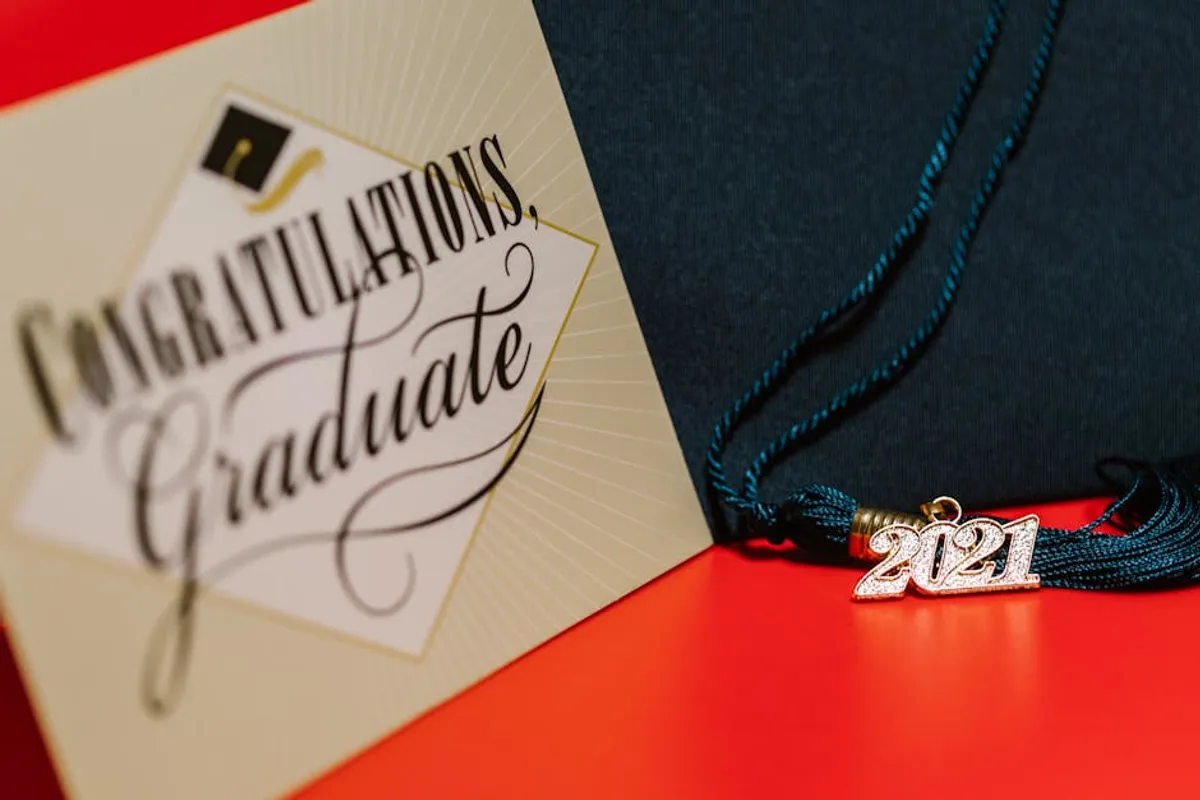
Graduation invitations serve as the initial announcement of a significant life milestone, setting the tone for the celebration and acting as a tangible keepsake for guests. Selecting the right design requires balancing personal style with practical considerations, ensuring the invitation effectively communicates key event details while reflecting the graduate's achievements and personality. The design choices, from typography to imagery, directly influence how guests perceive the event's formality and overall atmosphere, making a thoughtful approach essential for creating a memorable and functional invitation.
Core Design Elements for Graduation Invitations
Typography Choices
Typography is a foundational element that dictates the invitation's overall feel. Formal events often benefit from classic serif fonts such as Garamond, Times New Roman, or Baskerville, which convey tradition and elegance. These fonts are typically paired with a clean, legible sans-serif for body text to maintain readability. For more contemporary or casual celebrations, sans-serif fonts like Montserrat, Open Sans, or Lato offer a modern, clean aesthetic. Script fonts, such as Great Vibes or Alex Brush, can add a touch of personalization and flair, particularly for the graduate's name or a key phrase, but should be used sparingly to avoid overwhelming the design. The hierarchy of information, achieved through varying font sizes and weights, guides the reader's eye, ensuring critical details like date, time, and location are immediately clear.
Color Palettes and Themes
The chosen color palette significantly impacts the invitation's mood and visual appeal. Traditional graduation invitations often incorporate school colors, providing an immediate connection to the academic achievement. Gold, silver, black, and white are timeless choices that evoke sophistication and celebration. For a more modern approach, consider a palette that reflects the graduate's personal taste or future aspirations. For example, a graduate entering a creative field might opt for a vibrant, eclectic mix, while someone pursuing a scientific career might prefer cool blues and greens with metallic accents. Consistent use of a defined color scheme across all invitation elements, including envelopes and RSVP cards, creates a cohesive and polished presentation.
Imagery and Graphics
Imagery can personalize an invitation beyond text alone. A subtle watermark of the school crest or a graduation cap motif reinforces the theme without distracting from essential information. For graduates who prefer a more personal touch, incorporating a recent professional photograph adds warmth and familiarity. Ensure high-resolution images are used to prevent pixelation, especially if printed. Graphics, such as subtle borders, geometric patterns, or abstract elements, can add visual interest and define the invitation's style. For example, a minimalist invitation might use a single, clean line graphic, while a more elaborate design could feature intricate floral patterns or decorative flourishes.
Popular Design Styles and Examples
Classic and Formal
Classic invitations prioritize elegance and tradition. They typically feature heavy cardstock, often with embossed or foil-stamped details. Typography leans towards traditional serifs for main headings and clear sans-serifs for body text. Common color schemes include black and white, navy and gold, or deep burgundy and cream. A typical design might include the graduate's full name prominently displayed, followed by the degree and institution, and then the event details. These designs are often chosen for formal ceremonies and receptions, conveying respect for the academic achievement.
Best for: Formal ceremonies, traditional celebrations, academic institutions.
Modern and Minimalist
Modern minimalist invitations focus on clean lines, ample white space, and a refined aesthetic. Sans-serif fonts are prevalent, often in varying weights to create visual hierarchy without excessive ornamentation. Color palettes are typically monochromatic or feature a limited selection of muted tones, perhaps with a single metallic accent. Imagery is sparse, if present at all, often relying on geometric patterns or subtle textures. The emphasis is on clarity and sophistication, making the essential information stand out. These designs appeal to those who appreciate understated elegance and contemporary style.
Best for: Contemporary celebrations, graduates with a modern aesthetic, digital invitations.
Personalized and Themed
These invitations reflect the graduate's unique personality, hobbies, or future plans. A themed invitation might incorporate elements related to their major (e.g., subtle scientific motifs for a biology graduate) or their post-graduation plans (e.g., travel-inspired graphics for someone taking a gap year). Custom illustrations, hand-drawn elements, or unique color combinations are common. The wording can also be more informal and reflective of the graduate's voice. This style creates a highly memorable invitation that truly represents the individual.
Best for: Graduates with distinct personalities, unique celebration themes, creating a strong personal connection.
Photo-Centric Designs
Photo-centric invitations make a striking visual impact by featuring one or more high-quality photographs of the graduate. These can range from professional senior portraits to candid shots reflecting their journey. The design often integrates the photo as a dominant element, with text overlaid or placed in a complementary section. Care must be taken to ensure the photograph doesn't obscure critical information. These invitations offer a warm, personal touch and serve as a cherished memento for guests.
Best for: Graduates who want a personal touch, informal celebrations, creating a strong visual memory.
Practical Considerations for Invitation Design
Beyond aesthetics, practical elements ensure your invitations are effective and durable.
- Paper Stock and Finishes: Opt for cardstock with a weight of at least 100lb (270 gsm) for a premium feel and durability. Matte finishes offer a classic, non-reflective look, while silk or satin finishes provide a subtle sheen. Uncoated paper is excellent for a natural, tactile feel, often used with minimalist designs.
- Size and Shape: Standard invitation sizes (e.g., 5x7 inches) are cost-effective for printing and postage. Unconventional shapes or oversized invitations can incur additional mailing costs and may require special handling.
- Envelope Coordination: Matching envelopes in color, texture, or with a custom liner elevate the invitation's presentation. Ensure the chosen envelope size accommodates all inserts without forcing.
- Proofreading: Meticulously proofread all text for spelling, grammar, and factual accuracy. A second pair of eyes is invaluable for catching errors.
Pro Tip for Wording and Etiquette: Always include the graduate's full name, the degree earned, the institution, and clearly state the date, time, and location of the celebration. For clarity, specify if the event is a ceremony, reception, open house, or a combination. If gifts are not expected, a discreet phrase like "Your presence is your present" can be included on a separate enclosure card, not on the main invitation itself, to maintain etiquette.
RSVP Details and Deadlines
Clear RSVP instructions are crucial for accurate guest counts and event planning. Include a specific RSVP date, typically two to three weeks before the event, to allow ample time for catering and seating arrangements. Provide multiple response methods: a physical RSVP card with a pre-addressed, stamped envelope, an email address, or a dedicated website/phone number. Explicitly state what information is needed (e.g., guest count, dietary restrictions) to streamline the process.
Maximizing Impact with Your Invitation
To ensure your graduation invitations leave a lasting impression and facilitate a smooth event, consider them as part of a larger communication strategy. Beyond the core design, think about how the invitation integrates with other event elements. For a cohesive look, extend your chosen design elements—fonts, colors, and motifs—to thank-you cards, event signage, or even a simple event website. This consistency reinforces the celebration's theme and graduate's brand. Sending invitations 4-6 weeks before the event allows guests sufficient time to make travel arrangements and RSVP. For out-of-town guests, consider including local accommodation suggestions on an enclosure card or dedicated website. A well-designed and thoughtfully executed invitation not only announces a milestone but also builds anticipation and ensures a well-attended, memorable celebration.
Frequently Asked Questions
When should graduation invitations be sent out?
It is generally recommended to send graduation invitations 4 to 6 weeks before the ceremony or celebration date. This provides guests with adequate time to mark their calendars, make travel arrangements if necessary, and respond by the RSVP deadline.
What essential information should be included in a graduation invitation?
A complete graduation invitation should include the graduate's full name, the type of degree or honor received, the name of the educational institution, the date, time, and location of the ceremony or celebration, and clear RSVP instructions with a deadline.
Should I include gift registry information on the invitation?
It is generally considered impolite to include gift registry information directly on the graduation invitation. If guests inquire, you can provide the information verbally or direct them to a personal website where such details are available. The focus of the invitation should remain on celebrating the achievement.
What's the difference between a graduation announcement and an invitation?
A graduation announcement informs friends and family of the graduation but does not invite them to a specific event. An invitation, however, explicitly invites guests to attend a ceremony, party, or reception. Announcements can be sent after the graduation, while invitations must be sent in advance of the event.