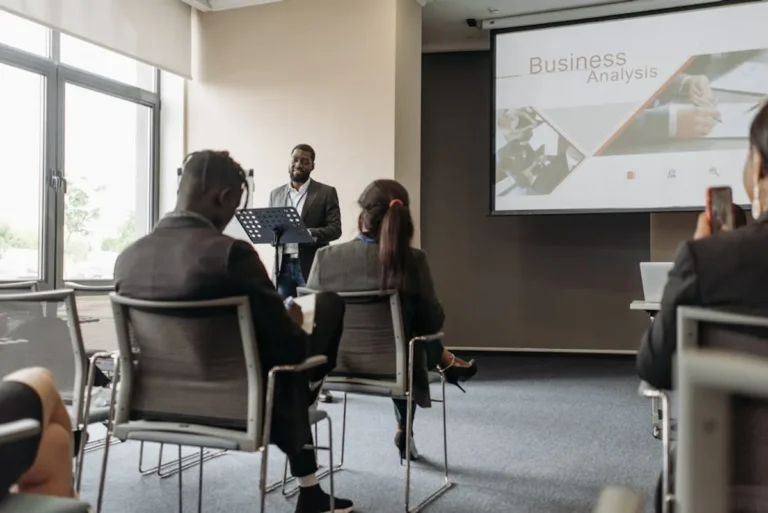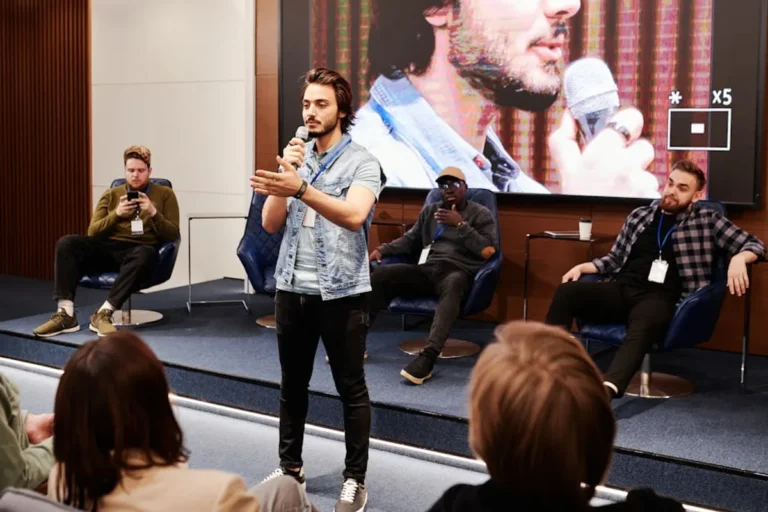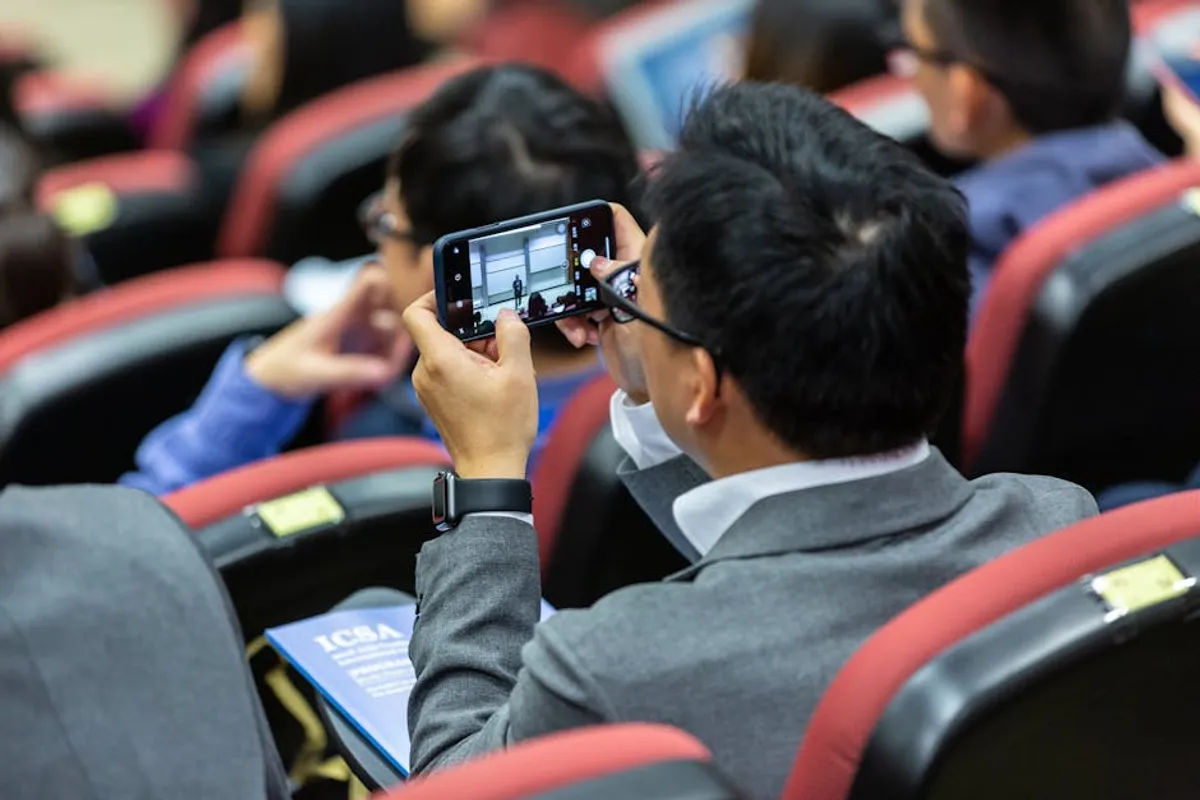
Successful event photography extends beyond technical skill; it requires a strategic approach to capture the essence, emotion, and key narratives of any gathering. Clients invest in event photographers not merely for documentation, but for the creation of lasting, impactful visual assets that reflect the event's purpose and atmosphere. This goes beyond snapping pictures; it involves meticulous planning, astute observation during the event, and a streamlined post-production workflow to deliver a cohesive, memorable story. Understanding these layers is crucial for photographers aiming to consistently exceed expectations and build a robust portfolio.
Pre-Event Preparation: Laying the Groundwork
Understanding the Event Brief
Before any equipment leaves the bag, a thorough understanding of the client's objectives is paramount. This involves detailed discussions about the event's purpose, target audience, and desired photographic style. Clarify the schedule, identifying critical moments like keynote speeches, award ceremonies, or interactive sessions that require focused attention. Determine the specific shots the client prioritizes, such as VIP portraits, candid attendee interactions, venue details, or sponsor branding. A comprehensive brief ensures alignment between your creative vision and the client's commercial needs, minimizing surprises and maximizing relevant output.
Key considerations: Shot list, timeline, brand guidelines, key individuals, usage rights.
Gear Selection and Redundancy
Reliability is non-negotiable in event photography, where there are no second chances for missed moments. Select camera bodies known for robust low-light performance and fast autofocus, such as professional-grade DSLRs or mirrorless systems. Equip yourself with a versatile lens kit, typically including a fast wide-angle (e.g., 24-70mm f/2.8) for group shots and environmental context, and a telephoto zoom (e.g., 70-200mm f/2.8) for discreetly capturing distant subjects or reactions. External flash units are essential for challenging indoor lighting, often used off-camera or with diffusers for softer results. Always carry backup camera bodies, multiple charged batteries, and an abundance of high-speed memory cards. Redundancy prevents equipment failure from derailing an entire assignment.
During the Event: Capturing the Narrative
Mastering Lighting Conditions
Event environments frequently present varied and challenging lighting. Adaptability is key. Leverage natural light whenever possible, positioning subjects to benefit from soft window light or open shade. Indoors, assess ambient light sources – spotlights, practical lamps, stage lighting – and adjust camera settings (ISO, aperture, shutter speed) accordingly. When using flash, avoid direct, on-camera flash which creates harsh shadows. Instead, bounce the flash off ceilings or walls for a more diffused, natural look, or use softboxes/diffusers. For dynamic scenes, consider dragging the shutter with flash to capture both subject detail and ambient light trails.
Anticipating Key Moments
Effective event photography is largely predictive. Study the event schedule to anticipate speeches, presentations, performances, or significant interactions. However, also remain vigilant for unscripted, candid moments – a shared laugh, a thoughtful expression, a spontaneous handshake. These often convey the true atmosphere and emotional depth of an event. Position yourself strategically without being intrusive, ensuring you have clear sightlines to expected focal points while also scanning the periphery for unexpected opportunities. Look for reactions from the audience as much as the action on stage.
Composition and Framing
Strong composition elevates a photograph from a mere record to a compelling image. Apply principles like the rule of thirds to place subjects off-center for visual interest. Use leading lines (e.g., architectural elements, rows of chairs) to guide the viewer's eye. Vary your perspective: shoot from above for a wider overview, or get low for a more intimate, engaging shot. Frame subjects using natural elements like doorways or crowds to add context and depth. Remember to capture both wide establishing shots that show the scale of the event and tight detail shots that highlight specific elements or emotions.
Interacting with Subjects
While discretion is often valued, some events benefit from direct interaction. When photographing individuals or small groups, a brief, friendly word can put subjects at ease and elicit more natural expressions. For candid shots, blend into the background, using longer lenses to avoid drawing attention. Always be respectful of personal space and avoid interrupting conversations or presentations. The goal is to be present and observant without becoming a distraction.
Essential Shots to Capture:
- Wide establishing shots of the venue and attendees.
- Key speakers, presenters, or performers in action.
- Candid interactions and reactions among attendees.
- Specific details: branding, decorations, food, entertainment.
- VIPs, organizers, or other designated individuals.
- Group shots (if requested and feasible).
- Emotional moments: laughter, applause, concentration.
Pro Tip: A truly memorable event photograph isn't just a record; it's a captured emotion or interaction that might only last a fraction of a second. Proactive anticipation, rather than reactive shooting, is the cornerstone of capturing these fleeting, high-impact moments. Understand the flow, predict the next action, and be ready before it happens.
Post-Event Workflow: Delivering Impact
Efficient Culling and Selection
The post-event process begins with efficient culling. Use professional photo management software to quickly review and select the strongest images. Prioritize sharp, well-exposed, and emotionally resonant shots that align with the client's brief. Eliminate duplicates, out-of-focus images, and unflattering expressions. Aim for a curated selection that tells a cohesive story without overwhelming the client with redundant options. This phase often involves multiple passes: a quick initial cull, followed by a more detailed selection.
Consistent Editing and Retouching
Editing ensures a professional, polished final product. Apply consistent color correction, exposure adjustments, and white balance across the entire set to maintain a uniform look. Minor retouching, such as blemish removal or stray hair correction, can enhance images without making them look artificial. Ensure the editing style aligns with the client's brand or the event's aesthetic. Batch processing can significantly speed up this stage for common adjustments, reserving individual attention for hero shots.
Secure Delivery and Archiving
Deliver the final images through a secure, professional online gallery or file transfer service that allows for easy client review and download. Ensure images are provided in specified resolutions for web and print use. Clearly communicate usage rights and licensing terms. For long-term preservation, archive all original raw files and final JPEGs on multiple redundant storage solutions (e.g., external hard drives, cloud storage). This protects your work and provides peace of mind for both you and the client.
Practical Application: Elevating Your Event Photography
Consistently delivering memorable event photography requires a blend of technical mastery, artistic vision, and robust business practices. Beyond the immediate assignment, focus on refining your unique photographic voice. Analyze your past work, identifying areas for technical improvement or creative exploration. Seek feedback from clients to understand their evolving needs and preferences. Build a diverse portfolio that showcases your ability to handle various event types and lighting conditions. Proactive communication, from initial consultation to final delivery, builds trust and encourages repeat business. Invest in continuous learning, whether through workshops, online courses, or experimenting with new techniques. Your commitment to excellence and a client-centric approach will differentiate your services in a competitive market.
Frequently Asked Questions
What is the most crucial piece of equipment for event photography?
While a robust camera body with good low-light performance is essential, a versatile, fast aperture zoom lens (e.g., 24-70mm f/2.8) is arguably the most crucial. It allows for adaptability across various scenes, from wide shots to closer portraits, without constant lens changes, which is vital in fast-paced event environments.
How do I handle challenging or low-light conditions at an event?
Utilize a camera with high ISO capabilities, a fast lens (f/2.8 or wider), and external flash units. When using flash, bounce it off ceilings or walls for softer light, or use a diffuser. In very low light, consider increasing ISO, opening your aperture fully, and reducing your shutter speed if subjects are still, or using flash as a primary light source.
Should I deliver all the photos I take or only the best ones?
Always deliver a curated selection of the best images. Clients are paying for your expertise in selection and editing, not for raw, unedited, or redundant files. A well-edited, cohesive gallery of strong images is far more valuable and impactful than a vast collection containing weaker shots.
How can I capture authentic, candid moments without being intrusive?
Blend into the background by dressing appropriately and moving discreetly. Use a telephoto lens (e.g., 70-200mm f/2.8) to capture subjects from a distance without disturbing them. Anticipate moments by observing interactions and positioning yourself ahead of the action, rather than reacting to it. Sometimes, a brief, friendly interaction can also make subjects more comfortable and natural.