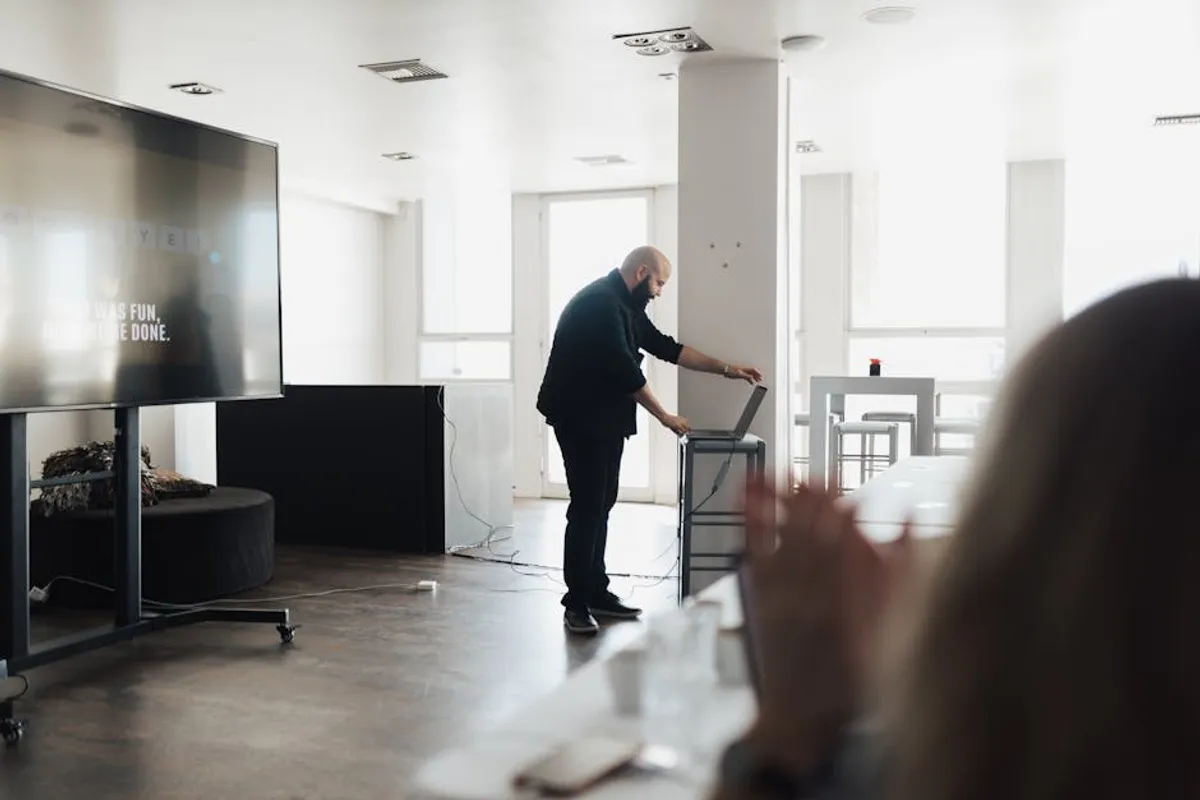
Lifestyle sites thrive on timely, relevant content that resonates with their audience's daily lives and aspirations. Event-focused blog content, when executed strategically, offers a potent avenue for driving organic traffic, fostering community engagement, and opening new monetization channels. The decision to integrate event-centric themes into an existing content calendar requires careful consideration of audience overlap, resource allocation, and long-term search value. This article outlines specific event blog ideas, detailing their strategic fit, inherent advantages, and potential drawbacks, allowing publishers to identify concepts that align with their brand identity and commercial objectives.
Key Considerations for Event Blog Content
Before committing to an event-focused content pillar, evaluate several factors to ensure alignment with your lifestyle site's overarching goals:
- Audience Relevance: Does the proposed event content genuinely serve your existing readership? Content should either address a direct need (e.g., party planning tips for busy parents) or inspire aspirational engagement (e.g., luxury travel event guides).
- Monetization Potential: Assess how each idea can generate revenue. This might include affiliate marketing for products (decor, fashion, gifts), sponsored content opportunities, selling digital products (checklists, templates), or driving traffic to related service offerings.
- Timeliness vs. Evergreen: Balance content that capitalizes on seasonal trends or specific dates with evergreen pieces that maintain relevance year-round. A mix ensures consistent traffic and long-term SEO value.
- Resource Commitment: Consider the time, budget, and expertise required. Visual content (photography, video) is often critical for lifestyle event posts, and some ideas demand extensive research or local knowledge.
- Scalability and Niche: Determine if an idea is sustainable. Can it be replicated or expanded? Is it too niche to attract sufficient traffic, or too broad to establish authority?
1. Local Festival Guides
This content idea focuses on compiling comprehensive guides to local festivals, fairs, and community events within a specific geographic area. Lifestyle blogs with a strong local following or those aiming to build regional authority can leverage these guides to become a go-to resource. Content can range from annual music festivals and food truck rallies to seasonal craft fairs and holiday markets, providing practical information like dates, times, locations, ticket prices, and highlights.
Best for: Lifestyle blogs with a strong local or regional focus, community-oriented content, travel blogs, and family-focused sites.
Pros:
- High local search intent: Attracts users actively searching for "festivals near me" or "events in [city name]".
- Strong community engagement: Positions the blog as a valuable local resource, encouraging shares and comments.
- Affiliate opportunities: Link to local businesses, event ticket platforms, or related products (e.g., picnic gear, festival fashion).
- Recurring content: Many festivals are annual, allowing for content updates and re-promotion each year.
Cons:
- Highly time-sensitive: Content has a short peak relevance window and requires frequent updates.
- Requires local knowledge: Demands ongoing research into local event calendars and direct experience.
- Limited broad appeal: Traffic is primarily geographically restricted, limiting scalability beyond the local area.
Verdict: An effective strategy for building hyper-local authority and engagement, particularly for sites that can commit to consistent, timely updates and on-the-ground reporting. Monetization is strongest through local partnerships and affiliate links for event-specific items.
2. DIY Event Planning Checklists
This involves creating detailed, actionable checklists and guides for readers to plan their own events, ranging from intimate dinner parties and birthday celebrations to baby showers and holiday gatherings. The content can break down complex planning processes into manageable steps, covering aspects like budgeting, guest lists, decor, menu planning, and entertainment. This positions the lifestyle site as a practical, helpful resource for common event challenges.
Best for: Home & living blogs, parenting blogs, budget-conscious lifestyle sites, and those focused on entertaining.
Pros:
- High evergreen potential: Planning principles remain relevant year after year, requiring minimal updates.
- Strong affiliate opportunities: Link to party supplies, decor, catering services, digital invitations, and entertainment resources.
- Digital product potential: Checklists and templates can be offered as free lead magnets or premium digital downloads.
- Addresses common pain points: Directly solves a practical problem for readers, fostering trust and repeat visits.
Cons:
- High competition: Many sites offer similar planning resources, requiring unique angles or superior depth.
- Requires comprehensive research: Accuracy and thoroughness are crucial for credibility.
- Visual asset heavy: Readers expect inspirational images of well-planned events, demanding quality photography.
Verdict: A robust content pillar for sites aiming to be a practical guide for home entertainers. Success hinges on delivering exceptionally detailed, user-friendly, and visually appealing resources that stand out in a crowded niche.
3. Event Fashion & Styling Guides
This idea focuses on providing fashion advice and styling inspiration for various event types, from casual gatherings and professional conferences to formal weddings and themed parties. Content can include outfit recommendations, accessory pairings, seasonal trends, and tips for dressing appropriately for specific venues or dress codes. This taps into the aspirational and practical needs of readers preparing for social occasions.
Best for: Fashion blogs, beauty blogs, personal style sites, and general lifestyle blogs with a strong aesthetic focus.
Pros:
- High affiliate potential: Direct links to clothing, accessories, beauty products, and styling services.
- Visually driven: Excellent for Pinterest, Instagram, and other visual platforms, driving social traffic.
- Addresses specific search queries: "What to wear to a summer wedding," "cocktail attire for women," etc.
- Opportunity for trend analysis: Allows for timely content around seasonal fashion shifts and event themes.
Cons:
- Highly competitive: The fashion niche is saturated, requiring a distinct voice or unique styling perspective.
- Requires constant trend monitoring: Content can quickly become outdated if not regularly updated.
- Demands strong visual content: High-quality photography or illustration is essential for credibility and engagement.
Verdict: A powerful content strategy for fashion-forward lifestyle sites. Success depends on showcasing original styling, staying current with trends, and providing direct, actionable shopping links that convert.
4. Event Photography & Videography Tips
This content concept offers advice on how to capture high-quality photos and videos at various events, catering to amateur photographers using smartphones or entry-level cameras. Topics can include lighting techniques, composition rules, editing tips, best gear for beginners, and specific strategies for different event types (e.g., capturing candid moments at parties, documenting a child's birthday). This serves a broad audience interested in preserving memories.
Best for: Tech lifestyle blogs, parenting blogs, travel blogs, and general lifestyle sites with a focus on creative hobbies.
Pros:
- Evergreen appeal: Fundamental photography principles remain constant.
- High affiliate potential: Link to cameras, lenses, editing software, smartphone accessories, and online courses.
- Tutorial-driven: Step-by-step guides perform well in search and on platforms like YouTube.
- Addresses a universal desire: Most people want to take better photos of their life events.
Cons:
- Requires expertise: Credibility demands genuine knowledge of photography basics and techniques.
- Visual examples are crucial: Demonstrating tips effectively requires strong illustrative photos or videos.
- Can become overly technical: Needs to be simplified for a general lifestyle audience, avoiding jargon.
Verdict: A valuable content stream for sites capable of distilling complex photography concepts into accessible, actionable advice. Strong visual demonstrations and practical product recommendations are key to engagement and monetization.
5. Food & Drink for Entertaining
This idea centers on recipes, menu planning guides, and beverage recommendations specifically designed for various events and gatherings. Content can include easy appetizer recipes for parties, full holiday meal plans, cocktail and mocktail recipes, dessert ideas for celebrations, and tips for catering to dietary restrictions. This directly addresses one of the most common aspects of event hosting.
Best for: Food blogs, home & living blogs, parenting blogs, and general lifestyle sites with a culinary focus.
Pros:
- High search volume: "Party food ideas," "holiday recipes," "cocktail recipes" are consistently searched.
- Strong affiliate opportunities: Link to kitchen gadgets, bakeware, serving dishes, ingredients, and recipe books.
- Highly shareable: Recipes and appealing food photography perform well on social media.
- Evergreen potential: Many classic recipes and entertaining strategies remain relevant.
Cons:
- Extremely competitive: The food blogging space is saturated, requiring unique recipes, presentation, or niche.
- Requires high-quality photography: Food styling and appealing visuals are non-negotiable for success.
- Time-consuming: Developing, testing, and photographing recipes is labor-intensive.
Verdict: A foundational content pillar for any lifestyle site with a culinary angle. Differentiation comes from unique recipes, catering to specific dietary needs, or offering innovative presentation ideas, all backed by stunning visuals.
6. Family-Friendly Event Reviews
This concept involves reviewing and recommending events and activities suitable for families and children. This could include reviews of local attractions (museums, parks, amusement centers), seasonal events (pumpkin patches, holiday light displays), children's theater performances, or educational workshops. The focus is on providing honest assessments of suitability, cost, and overall experience for families.
Best for: Parenting blogs, family travel blogs, local lifestyle guides, and educational content sites.
Pros:
- High trust factor: Parents rely on authentic reviews from other parents.
- Strong local search value: Attracts families looking for "kids activities in [city]" or "family events this weekend."
- Affiliate opportunities: Link to tickets, related children's products, or local family-friendly businesses.
- Recurring content: Many family events are annual, allowing for content updates and re-promotion.
Cons:
- Highly time-sensitive: Reviews are most valuable when an event is current or upcoming.
- Requires direct experience: Authenticity demands attending and evaluating events firsthand.
- Logistical challenges: Attending multiple events with a family can be time-consuming and costly.
Verdict: An excellent strategy for parenting and family-focused blogs that can consistently provide genuine, detailed reviews. Building a reputation as a trusted local family resource is the primary driver of engagement and traffic.
7. Sustainable Event Practices
This idea focuses on promoting eco-friendly approaches to event planning and hosting. Content can cover topics such as zero-waste party tips, sustainable decor ideas, ethical sourcing for food and gifts, reducing plastic use at gatherings, and choosing eco-conscious venues or vendors. This taps into growing consumer awareness around environmental impact.
Best for: Eco-conscious lifestyle blogs, sustainability-focused sites, minimalist living blogs, and ethical consumer guides.
Pros:
- Growing niche: Addresses increasing consumer demand for sustainable options.
- Strong ethical appeal: Resonates with values-driven audiences, fostering loyalty.
- Affiliate opportunities: Link to eco-friendly products, sustainable brands, and ethical services.
- Opportunity for thought leadership: Positions the blog as an authority on responsible consumption.
Cons:
- Can be perceived as more costly: Sustainable options sometimes carry a higher price point, requiring justification.
- Requires thorough research: Authenticity demands verifiable information on eco-friendly practices and products.
- Audience might be smaller: While growing, the dedicated sustainable event audience is still a niche.
Verdict: A strategic choice for lifestyle sites committed to sustainability, offering a unique value proposition. Success hinges on providing practical, actionable advice that demonstrates how eco-friendly choices can be both achievable and stylish, without significant compromise.
8. Home Decor for Entertaining
This content concept explores ideas for decorating homes to host various events, from seasonal tablescapes and holiday party themes to everyday entertaining setups. It can include DIY decor projects, product recommendations for serving ware and linens, tips for creating ambiance, and guides for transforming spaces for specific occasions. This merges interior design with practical event hosting.
Best for: Home decor blogs, interior design sites, DIY blogs, and general lifestyle blogs with a focus on home aesthetics.
Pros:
- High visual appeal: Excellent for platforms like Pinterest and Instagram, driving significant referral traffic.
- Strong affiliate potential: Link to home decor products, furniture, serving pieces, and craft supplies.
- Evergreen potential: Many decor principles and seasonal themes are recurring.
- Inspires creativity: Appeals to readers looking for aesthetic inspiration and practical application.
Cons:
- Requires strong aesthetic sense: Credibility demands visually appealing and well-curated content.
- Can be resource-intensive: Staging and photographing decor setups requires time, effort, and props.
- High competition: The home decor niche is crowded, requiring a unique style or clear niche.
Verdict: A highly effective content strategy for visually-driven lifestyle sites focused on home aesthetics. Success depends on delivering fresh, inspiring decor ideas with practical application, supported by exceptional photography and clear product sourcing.
9. Event Gifting Guides
This idea focuses on curating gift recommendations for various event types and recipients. Content can include hostess gift ideas, wedding shower presents, birthday gifts for specific age groups, holiday gift guides, or personalized gift suggestions. The goal is to simplify the gift-giving process for readers by offering thoughtful and relevant options.
Best for: Gifting blogs, shopping guides, general lifestyle sites, and niche blogs focusing on specific demographics (e.g., gifts for new parents).
Pros:
- Extremely high affiliate potential: Direct links to products are the core of this content.
- High commercial intent: Readers are actively looking to make a purchase.
- Seasonal relevance: Capitalizes on major shopping holidays and event seasons.
- Addresses a common pain point: Many people struggle with finding the "perfect" gift.
Cons:
- Highly competitive: Gift guides are ubiquitous, requiring a unique angle or superior curation.
- Requires constant product research: Staying current with new products and trends is essential.
- Risk of becoming overly promotional: Needs to balance recommendations with genuine value and advice.
Verdict: A powerful monetization strategy, particularly around holiday seasons, for sites capable of curating genuinely thoughtful and diverse gift options. Differentiation comes from unique themes, price points, or personalized recommendations that go beyond generic lists.
10. Wellness & Self-Care Around Events
This content concept addresses the physical and mental well-being aspects of attending or hosting events. Topics can include stress management tips for event planning, pre-event beauty routines, post-event recovery strategies, healthy eating tips for parties, or mindfulness exercises to navigate social gatherings. This provides a holistic approach to event experiences.
Best for: Health and wellness blogs, beauty blogs, mindfulness sites, and general lifestyle blogs with a focus on personal well-being.
Pros:
- Addresses a universal need: Many people experience stress or fatigue related to events.
- Strong affiliate potential: Link to wellness products, beauty items, relaxation tools, and healthy food brands.
- Evergreen appeal: Self-care principles are timeless.
- Positions the blog as supportive: Fosters a sense of care and understanding with the audience.
Cons:
- Requires credible advice: Health and wellness content demands accuracy and, ideally, expert input.
- Can be challenging to differentiate: Many sites offer general wellness advice.
- Visuals might be less direct: Abstract concepts like "stress relief" are harder to illustrate than fashion or food.
Verdict: A valuable content stream for lifestyle sites emphasizing holistic well-being. Success relies on offering practical, evidence-based advice that genuinely helps readers navigate the challenges and maximize the enjoyment of event experiences, without being overly prescriptive.
11. Travel for Events
This idea focuses on the travel aspects associated with attending or hosting events, such as destination weddings, major concerts, sports championships, or cultural festivals. Content can include guides on booking travel, finding accommodations, packing tips for specific event types, navigating unfamiliar cities, and combining event attendance with local sightseeing. This merges travel planning with event participation.
Best for: Travel blogs, luxury lifestyle blogs, adventure travel sites, and general lifestyle blogs with a strong travel component.
Pros:
- High affiliate potential: Link to flights, hotels, car rentals, travel insurance, luggage, and travel gear.
- Strong search intent: Users are actively planning trips and seeking specific information.
- Aspirational content: Appeals to readers dreaming of unique travel experiences.
- Opportunity for detailed guides: Can create comprehensive resources for specific destinations or event types.
Cons:
- Requires extensive research: Accurate and up-to-date travel information is crucial.
- Can be resource-intensive: Personal experience often enhances credibility, requiring travel.
- Highly competitive: The travel blogging niche is saturated, demanding unique angles or destinations.
Verdict: An impactful content strategy for travel-focused lifestyle sites, particularly those able to offer unique insights or experiences. Monetization is strong through travel affiliates, but success demands meticulous planning guides and compelling visual storytelling.
12. Tech for Events
This content concept explores how technology can enhance event experiences, both for hosts and attendees. Topics can include recommendations for event planning apps, smart home devices for party ambiance (lighting, music), virtual event platforms, social media tools for event promotion, or gadgets for capturing memories. This positions the blog as a modern resource for leveraging technology in social settings.
Best for: Tech lifestyle blogs, smart home enthusiasts, digital nomad blogs, and general lifestyle sites with a focus on innovation.
Pros:
- Addresses a growing trend: Technology integration in daily life, including events, is expanding.
- Strong affiliate potential: Link to apps, smart devices, cameras, and software subscriptions.
- Evergreen potential: Reviews of core tech tools can be updated, and new tech constantly emerges.
- Positions the blog as forward-thinking: Appeals to an audience interested in modern solutions.
Cons:
- Requires technical understanding: Credibility demands accurate explanations and comparisons of tech products.
- Rapid obsolescence: Technology evolves quickly, requiring frequent content updates.
- Can be niche: While growing, the audience specifically seeking "tech for events" might be smaller than broader lifestyle categories.
Verdict: A strategic niche for tech-savvy lifestyle sites capable of simplifying complex tools for a general audience. Success hinges on providing practical, user-focused reviews and integration ideas that genuinely enhance the event experience, backed by reliable product recommendations.
Measuring Success and Choosing Your Niche
Evaluating the performance of your event blog content involves more than just page views. Key metrics include:
- Organic Traffic Growth: Monitor keyword rankings and overall organic sessions for event-related posts. Are you attracting new visitors searching for event ideas or solutions?
- Engagement Metrics: Track time on page, bounce rate, comments, and social shares. High engagement indicates the content is resonating with your audience.
- Conversion Rates: For monetized content, measure affiliate click-through rates, product sales, or lead generation (e.g., newsletter sign-ups for event planning templates).
- Audience Feedback: Pay attention to direct comments, emails, and social media interactions. What specific event challenges are readers asking for help with?
When choosing which ideas to pursue, prioritize those that align most closely with your existing content pillars and audience demographics. A food-focused lifestyle blog will naturally excel at "Food & Drink for Entertaining," while a fashion blog will find "Event Fashion & Styling Guides" a more organic fit. Start with one or two core ideas, build authority, and then strategically expand into related areas based on performance and audience interest. Consistency in content quality and promotion is paramount for long-term success.
Frequently Asked Questions
How often should a lifestyle blog publish event content?
The frequency depends on the type of event content. Time-sensitive local festival guides or seasonal fashion posts might require weekly or bi-weekly updates during peak seasons. Evergreen content like DIY planning checklists or photography tips can be published less frequently, perhaps monthly, but should be updated annually for accuracy.
Can event blog content be evergreen?
Yes, many event blog ideas can be evergreen. Content focused on general planning principles, fundamental photography techniques, timeless decor ideas, or classic recipes retains relevance year