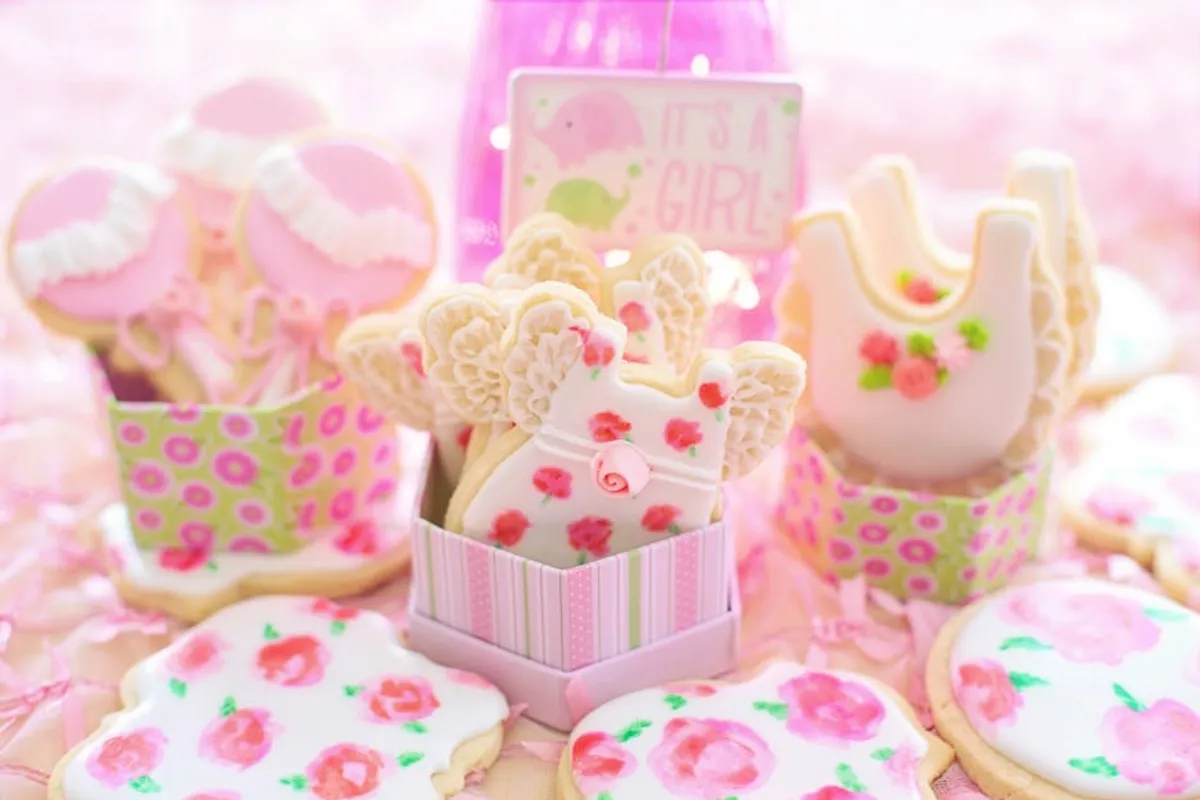
Crafting baby shower invitations involves more than selecting a cute design; it requires a strategic approach to messaging and visual presentation to ensure guests are informed, engaged, and ready to celebrate. The invitation serves as the initial touchpoint, setting expectations for the event's theme, formality, and overall atmosphere. Effective invitations clearly communicate vital details while reflecting the unique personality of the parents-to-be and the anticipated arrival. Beyond the wording, exploring various design ideas for baby shower invitations can help set the perfect tone for your celebration.
Developing Clear and Engaging Invitation Wording
The text on a baby shower invitation must balance essential logistical information with a tone that resonates with the celebration. Precision in wording avoids confusion, while thoughtful phrasing enhances the guest experience. Choosing the right wording for baby shower invitations ensures guests feel welcomed and informed about the joyous occasion.
Key Information for Every Invitation
Every baby shower invitation requires a core set of details to ensure guests have all necessary information for attendance and participation. Omitting any of these can lead to increased inquiries for the hosts or reduced attendance.
- Event Name: Clearly state "Baby Shower" or a thematic variation.
- Honoree(s): Name(s) of the parent(s)-to-be.
- Date and Time: Specify the full date, start time, and end time (if applicable).
- Location: Provide the full address, including venue name if not a private residence.
- RSVP Details: Include a contact name, phone number or email address, and a clear response-by date. This is critical for accurate headcounts and catering.
- Host Information: Name(s) of the host(s) for guest reference.
- Registry Information (Optional): If included, integrate subtly, perhaps with a small card or a dedicated line of text that directs guests to a specific retail link or registry website. Avoid prominent placement directly on the main invitation to maintain etiquette.
- Theme or Dress Code (Optional): If the shower has a specific theme, mention it to guide guest attire or gift selection.
Establishing the Event's Tone and Style
The language used directly influences how guests perceive the event. Aligning the wording with the desired atmosphere is crucial for a cohesive celebration.
Best for: Setting expectations and guiding guest behavior.
For a formal or traditional shower, use elegant phrasing such as "request the pleasure of your company" or "join us in celebrating." This conveys a sophisticated event. Conversely, a casual or relaxed gathering benefits from lighthearted language like "let's shower [Name] with love" or "come celebrate with us." For those aiming for humor or playfulness, incorporate puns or witty remarks related to babies or parenting, ensuring the humor is universally understood and not exclusionary. A sentimental or heartfelt tone can be achieved with phrases like "as we eagerly await the arrival" or "our hearts are full of joy." Finally, consider gender-specific wording like "It's a Boy!" or "Hello, Little Girl!" if the baby's gender is known and being celebrated, or opt for gender-neutral phrasing like "Our little one is on the way!" or "A baby is brewing!" for a surprise or inclusive approach.
Pro Tip: When including registry information, avoid direct requests for gifts. Instead, phrase it as a helpful resource for guests who wish to contribute. For example, "Your presence is gift enough, but if you'd like to help us prepare, our registry can be found at [URL]." This maintains politeness while providing necessary guidance.
Designing Visually Compelling Invitations
Beyond the text, the visual design of a baby shower invitation is a primary communication tool. It reinforces the theme, conveys the event's aesthetic, and creates an immediate impression.
Visual Elements that Define the Theme
Every design element contributes to the overall message. Thoughtful selection ensures consistency and impact.
Best for: Immediate thematic recognition and aesthetic appeal.
Color palettes are foundational. Soft pastels (mint, lavender, baby blue, blush pink) are classic for a gentle, traditional feel. Vibrant brights (lemon yellow, coral, turquoise) suggest a lively, modern celebration. Earthy tones (sage green, terracotta, mustard) align with bohemian or natural themes. Imagery should directly support the chosen theme: storks, baby animals, or rubber duckies for traditional; minimalist icons or abstract patterns for modern; botanical elements or woodland creatures for nature-inspired. Typography plays a critical role in conveying tone. Elegant script fonts communicate formality or sentimentality, while clean sans-serif fonts suggest modernity. Playful, whimsical fonts are ideal for lighthearted or children's book themes. The combination of these elements should create a harmonious visual narrative.
Format and Presentation Considerations
The physical or digital presentation of the invitation impacts its perceived value and guest interaction.
Best for: Practicality and guest experience.
The choice between digital and printed invitations depends on budget, timeline, and guest demographics. Digital invitations offer cost savings, immediate delivery, and easy tracking of RSVPs, suitable for tech-savvy guests or last-minute planning. Printed invitations provide a tangible keepsake, often perceived as more formal or personal, and allow for tactile embellishments. Standard size and shape, such as A7 (5x7 inches), are cost-effective for printing and postage. Custom die-cut shapes, while more expensive, can add a unique, memorable touch. The selection of envelopes and liners further enhances the presentation of printed invitations. A coordinating envelope color or a patterned liner can elevate a simple design, adding a layer of sophistication and anticipation for the recipient.
Incorporating Personalization and Unique Touches
Adding custom elements makes an invitation memorable and deeply personal, reflecting the unique journey of the parents-to-be.
Best for: Creating a lasting impression and emotional connection.
Integrating a photo, such as an ultrasound image, a maternity photo, or a picture of the expectant parents, immediately personalizes the invitation. This transforms a generic announcement into a personal memento. Custom illustrations or monograms, designed specifically for the baby or family, add an exclusive touch that can be carried through other event elements. For printed invitations, incorporating calligraphy or hand-lettering details, whether for guest names or key phrases, conveys a sense of bespoke craftsmanship and attention to detail. These unique touches signal the care and thought invested in the celebration, making guests feel more connected to the event.
Finalizing Your Invitation Strategy
The most effective baby shower invitations are those that successfully blend essential information with an appealing design and a personal touch. By carefully considering wording choices, visual elements, and presentation formats, hosts can create invitations that not only inform but also excite guests about the upcoming celebration. The goal is to produce a cohesive and memorable piece that accurately reflects the joy and anticipation surrounding the new arrival, ensuring a well-attended and cherished event.
Frequently Asked Questions
When should baby shower invitations be sent out?
Invitations are typically sent 4-6 weeks before the baby shower date. This provides guests ample time to clear their schedules, purchase a gift, and RSVP. For guests traveling from out of town, consider sending them 8 weeks in advance.
Is it appropriate to include registry information on the invitation?
While traditional etiquette suggests omitting registry details directly on the main invitation, modern practice often includes it. The most polite method is to include a separate, small enclosure card or a subtle line at the bottom of the invitation directing guests to a personal website or registry link. Avoid making it a prominent feature.
What is the main difference between digital and printed invitations?
Digital invitations offer convenience, cost-effectiveness, and instant delivery, often with built-in RSVP tracking. They are ideal for informal gatherings or tight timelines. Printed invitations provide a tangible keepsake, convey a sense of formality, and allow for higher-quality tactile finishes and embellishments. The choice depends on your budget, timeline, and desired guest experience.
How do I choose a theme for my baby shower invitation?
Consider the parents' interests, hobbies, or nursery decor. Popular themes include woodland creatures, 'Twinkle Twinkle Little Star,' 'Oh Boy/Girl,' or adventure/travel. The theme should ideally be reflected in the invitation's colors, imagery, and wording to create a cohesive event experience.