
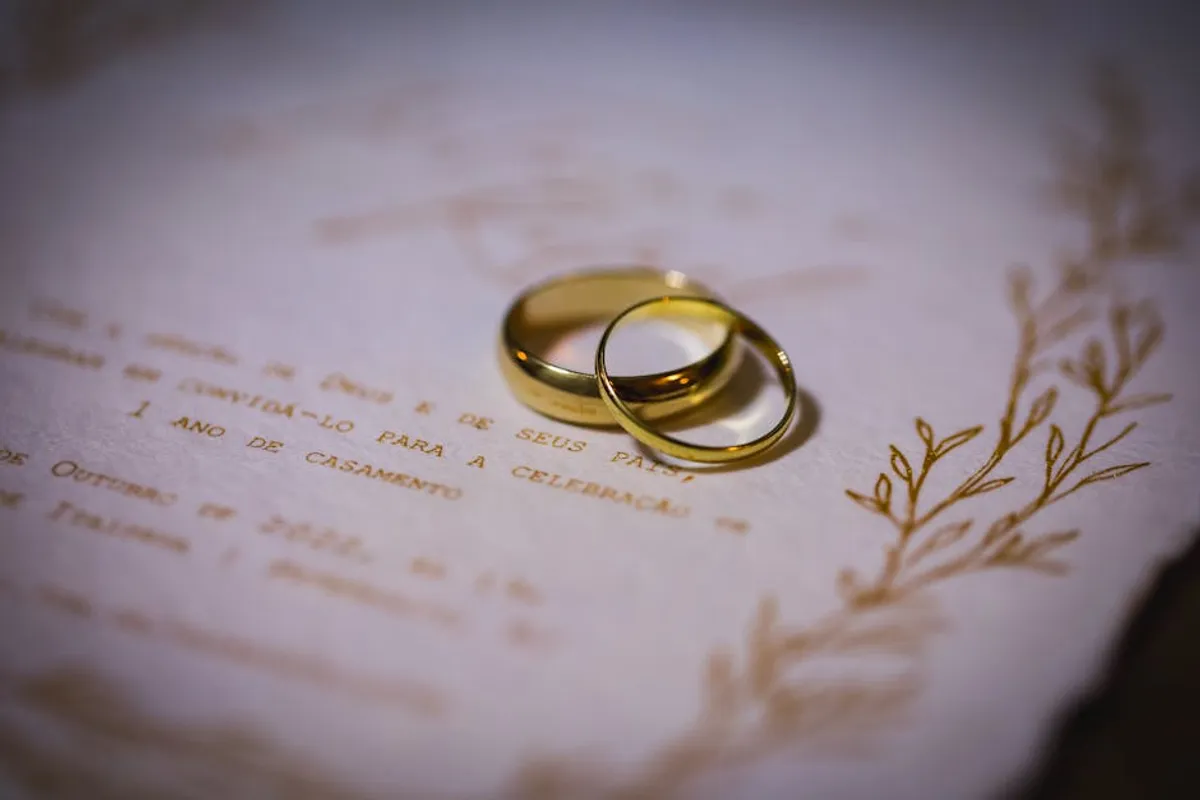
Crafting an anniversary invitation message extends beyond merely stating a date and time; it's about setting the stage for a significant celebration, conveying the event's tone, and ensuring guests feel both informed and genuinely invited. A well-constructed message maximizes attendance, manages expectations, and reflects the honorees' style, whether for a personal milestone or a corporate landmark. The objective is to communicate clearly while evoking the intended emotion, prompting timely responses, and ensuring the event's success by providing all necessary details upfront.
Essential Elements of Every Anniversary Invitation
Regardless of the anniversary type or formality, certain core pieces of information are non-negotiable for any invitation message. Omitting these can lead to confusion, reduced attendance, and unnecessary follow-up questions from guests. Prioritize clarity and completeness to ensure a smooth planning process for hosts and a hassle-free experience for attendees.
- Event Type and Honorees: Clearly state what is being celebrated (e.g., "Our 25th Wedding Anniversary," "Company's 10th Year in Business") and who is being honored or hosting. This immediately sets context.
- Date and Time: Provide the full date, including the day of the week, and the precise start and end times. Specify time zones if guests might be traveling or attending virtually.
- Location Details: Include the full address of the venue. For less common locations, consider adding brief directions or parking information. For virtual events, provide clear platform details and access links.
- RSVP Information: This is critical for accurate headcounts and logistical planning. Specify an RSVP deadline, a contact person, and the preferred method of response (email, phone, or dedicated online form).
- Dress Code (Optional but Recommended): If there's a specific attire expectation (e.g., "cocktail attire," "business casual," "festive"), state it explicitly. This prevents guest discomfort and ensures the event's aesthetic is maintained.
- Special Instructions (Optional): Mention any specific requests, such as "no gifts please," "your presence is our present," or details about a gift registry if applicable. Be mindful of tone when addressing gifts.
Tailoring Messages for Different Anniversary Types
The core elements remain constant, but the tone, emphasis, and specific phrasing of an anniversary invitation message should adapt to the nature of the celebration. A corporate milestone demands a different approach than a personal wedding anniversary.
Wedding Anniversaries: Personal & Formal
For wedding anniversaries, messages often carry a sentimental or celebratory tone, reflecting the journey of the couple. The degree of formality dictates the language used.
Casual & Intimate Celebrations: For backyard BBQs, small dinners, or informal gatherings, the message can be warm and conversational.
Example: "You're invited to celebrate [Couple's Names]'s 10th Wedding Anniversary! Join us for an afternoon of good food, great company, and shared memories as we mark a decade of love and laughter. Date: [Date], Time: [Time], Location: [Address]. Kindly RSVP by [Date] to [Email/Phone]."
Formal & Elegant Milestones: For significant anniversaries like silver, ruby, or golden, a more refined and traditional tone is appropriate, often using third-person phrasing.
Example: "Mr. and Mrs. [Host Names] request the pleasure of your company at a dinner reception celebrating the 50th Wedding Anniversary of Mr. and Mrs. [Honoree Names]. Date: [Date], Time: [Time], Location: [Venue Name, Address]. Black tie optional. Please respond by [Date] to [Email/Phone]."
Business & Corporate Milestones
Company anniversaries often serve multiple purposes: client appreciation, employee recognition, or public relations. Messages should reflect the company's brand and the event's primary audience.
Client & Partner Appreciation Events: Focus on gratitude, partnership, and future collaboration. The tone should be professional yet appreciative.
Example: "Join us in celebrating [Company Name]'s 15th Anniversary! We extend our sincere gratitude for your invaluable partnership over the past decade and a half. Please celebrate with us at a reception on [Date] from [Time] at [Venue, Address]. RSVP by [Date] to [Email/Link]."
Employee Recognition Events: Emphasize team effort, achievements, and future vision. The tone can be more internal and celebratory.
Example: "A Decade of Dedication: You're invited to celebrate [Company Name]'s 10th Anniversary and our collective achievements! Join us for an evening of recognition and celebration on [Date] at [Time] at [Venue, Address]. Your commitment has been instrumental to our success. Please RSVP to HR by [Date]."
Other Significant Anniversaries
Anniversaries aren't limited to marriages or businesses. Friendship milestones, club foundings, or personal achievements can also warrant an invitation.
Community or Organization Milestones: Messages should highlight the organization's impact and future goals, inviting broader community engagement.
Example: "Celebrating 20 Years of Community Impact! The [Organization Name] invites you to commemorate two decades of service and look forward to our future initiatives. Join us for a celebratory luncheon on [Date] at [Time] at [Venue, Address]. Your support has been vital. Please RSVP by [Date]."
Crafting the Right Tone and Style
The choice of words, sentence structure, and overall style significantly impacts how an invitation is received. Consider the honorees' personalities, the guests' relationship to them, and the desired atmosphere of the event.
Humorous vs. Sentimental: A couple known for their wit might appreciate a lighthearted invitation, while a more traditional family might prefer heartfelt sentiment. Ensure humor is universally understood and doesn't overshadow key details.
Concise vs. Detailed: For simple gatherings, brevity is key. For complex events with multiple activities or specific instructions, a more detailed message is necessary, perhaps directing guests to an event website for full particulars.
Formal vs. Informal: This dictates everything from salutations ("Dear friends" vs. "The pleasure of your company") to closings ("Sincerely" vs. "Can't wait to see you!"). Match the language to the event's overall formality.
Pro Tip: To maximize RSVP rates and streamline planning, always include a specific RSVP deadline and a clear contact method (email, phone number, or dedicated event website). For less formal gatherings, consider adding a "regrets only" option, clearly stating that a non-response implies attendance, but ensure this is explicitly communicated to avoid confusion.
Finalizing Your Anniversary Message
Before sending, thoroughly review your invitation message. Proofread for any typographical errors, grammatical mistakes, or missing information. Read it aloud to catch awkward phrasing. Ensure all dates, times, and locations are accurate. Consider the guest's perspective: Is everything clear? Do they know what to expect and how to respond? A well-crafted invitation is the first step towards a successful and memorable anniversary celebration.
Frequently Asked Questions
How far in advance should I send anniversary invitations?
For formal events or those requiring travel, send invitations 8-12 weeks in advance. For more casual local gatherings, 4-6 weeks is generally sufficient. Always allow ample time for guests to respond and make arrangements.
What should I include in the RSVP?
At minimum, request the guest's name(s) and their acceptance or decline. For events with meal choices, include options for dietary restrictions. For virtual events, confirm attendance to send access details.
Is it appropriate to mention gifts on an invitation?
Generally, it's best to avoid direct gift requests on the main invitation. If guests inquire, you can mention "your presence is our present" or direct them to a registry/charity if the honorees have a preference. For corporate events, "no gifts necessary" is a common and polite inclusion.
How do I word an invitation for a surprise anniversary party?
Emphasize the surprise element clearly and discreetly. Use phrases like "Shhh! It's a surprise for [Honoree's Name]!" and instruct guests not to reveal the event. Provide a specific arrival time for guests before the honoree's arrival.